An observation post, a strategic vantage point for monitoring enemy activity, has played a crucial role in military and philosophical discussions. Ranging from temporary shelters to reinforced buildings, its functions—surveillance, communication, and tactical guidance—highlight both practical needs and a broader human interest in perception.
Philosophers such as Hegel connected observation with the dialectical process of experience, while Child focused on how society shapes judgment. Bullen underscored its significance in personal development, and Moore examined the boundaries of self-observation in comprehending others. These viewpoints emphasize the post’s dual nature as a physical and intellectual instrument, linking immediate survival with deeper contemplations on reality and human conduct.
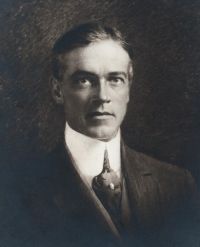 Victor Mapes,
Heart and Soul by Maveric Post