Oral cavity

Definition and stakes

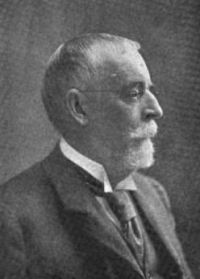
Portrait of George Albert Boulenger George Albert Boulenger The Cambridge natural history, Vol… (1904)

In any single act of inspiration the mouth is opened, and the oral cavity enlarged by the lateral expansion of its walls. When the oral cavity is filled with water, the mouth is closed and the expiratory process begins. By the lateral contraction of the oral walls the water is driven outwards through the gill-clefts, and over the gill-lamellae. During this process the branchial arches become widely separated by the contraction of their muscles, the operculum is elevated, and the oesophagus is closed by the contraction of its muscular wall.
Source: Gutenberg

Jno. A. W. Dollar Diseases of cattle, sheep, goats and swine (1920)

On direct examination the tongue is found swollen, thickened, immobile, painful, and occupying the whole of the oral cavity, sometimes projecting beyond the region of the incisors, and preventing the mouth being closed. Inflammation may become so intense that the point of the tongue hangs out of the mouth. It becomes blackish, bleeding, swollen, and excoriated by contact with foreign bodies or simply with the row of incisor teeth. The saliva becomes fœtid, blood-stained and purulent, and contains large quantities of broken down epithelial cells.
Source: Gutenberg

Max Braun The Animal Parasites of Man

It is possible also that the same larvæ which are free in the oral cavity when the food is being eaten migrate into the nasal cavities. After being stationary a fresh skin is formed and the spine-bearing cuticula are thrown off.
Source: Gutenberg

Get perspective with Kwize: daily news enlightened by great literature