Paleoanthropology

Definition and stakes

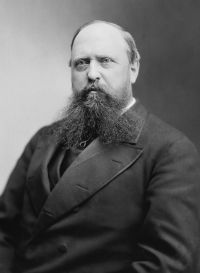
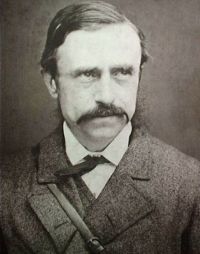
Portrait of Edward Burnett Tylor Edward Burnett Tylor,  Encyclopædia Britannica, Ninth Edition (1878)

“ This geological claim for a vast antiquity of the human race is supported by the similar claims of prehistoric archaeology and the science of culture, the evidence of all three departments of inquiry being intimately connected, and in perfect harmony.
During the last half century, the fact has been established that human bones and objects of human manufacture occur in such geological relation to the remains of fossil species of elephant, rhinoceros, hysena, bear, &c., as to lead to the distinct inference that man already existed during the ancient period of these now extinct mammalia.
”
Source: Wikisource

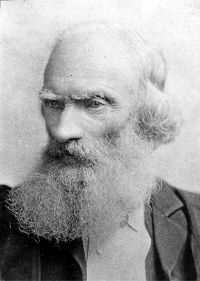
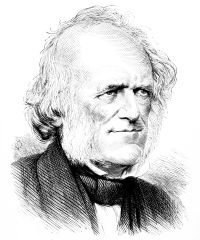
Portrait of Thomas Henry Huxley Thomas Henry Huxley,  Popular Science Monthly (1882)

“ I will now sum up the results of this sketch of the rise and progress of paleontology. The whole fabric of paleontology is based upon two propositions: the first is, that fossils are the remains of animals and plants; and the second is, that the stratified rocks in which they are found are sedimentary deposits; and each of these propositions is founded upon the same axiom that like effects imply like causes. If there is any cause competent to produce a fossil stem, or shell, or bone, except a living being, then paleontology has no foundation ”
Source: Wikisource

Shell Union Oil Corporation,  Let's Collect Rocks and Shells

“ The older the rock, the simpler the plant and animal life it contains. Thus fossils can give a clue to the age of the rock strata.
Fossils can teach history. They tell us about plants and animals that are now extinct—the dinosaur, for example. They can also tell of ancient climates. Coral found in rocks in Greenland suggests it must have once been warm. Remains of fir and spruce trees have been found in the tropics.
How are fossils formed? Teeth, bone and wood don't last long in their original state. However, buried materials decompose, leaving a film of carbon as a fossil.
”
Source: Gutenberg

Get perspective with Kwize: daily news enlightened by great literature