Parotid gland

Definition and stakes

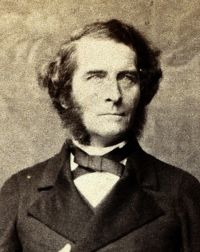
William Darrach,  Memoir of George McClellan, M.D. (1847)

“ Permit me, gentlemen, to occupy a few moments of your time in an exposition of this grand operation, and of McClellan's pre-eminent relation to it. The complete extirpation of a diseased parotid gland was considered an impossibility. The under portion of this gland is deeply seated and compacted in among important muscles and bones appertaining to the brain, the organs of hearing, mastication, deglutition and speech. Through its substance pass the external carotid artery and the great nerve of expression and respiration. ”
Source: Wikisource

Annette Fiske,  Structure and Functions of the Body

“ The parotid gland is the largest and is below and in front of the ear, opening by Stensen’s duct. The submaxillary gland is below the jaw toward the back on either side and its duct is Wharton’s duct. The sublingual gland lies beneath the mucous membrane of the floor of the mouth and opens by eight to twenty tiny ducts beside the frenum, the ducts of Rivinus. The activity of the glands depends upon the blood supply; the more blood the greater their activity. ”
Source: Gutenberg

Charles Munde,  Hydriatic treatment of Scarlet Fever in its Different Forms

“ When the glands pass into a sloughing state, the parts connected with them are frequently damaged. Thus the ulceration of the parotid gland often causes deafness, by the gangrenous matter communicating to the eustachian tube and the inner ear, where it destroys the membrane of the drum and the little bones belonging thereto, or by closing up the tube. When the discharge from the outer ear is observed, the destruction has already taken place, and it is too late to obviate the injury. ”
Source: Gutenberg

Get perspective with Kwize: daily news enlightened by great literature