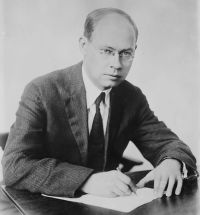
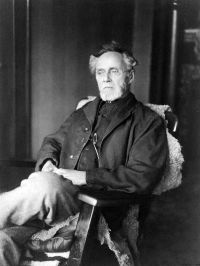
Monotremes, a distinctive group of mammals known for their egg-laying, have fascinated scientists and philosophers alike due to their evolutionary uniqueness. From Henry F. Osborn’s reflections on their biological importance to Ernst Haeckel’s observations on their "more primitive conditions," the topic has inspired a wide range of investigations.
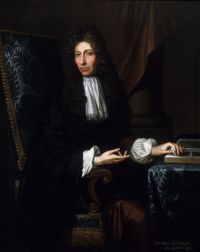
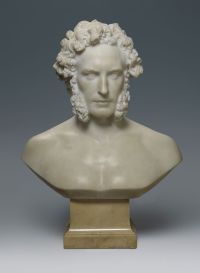
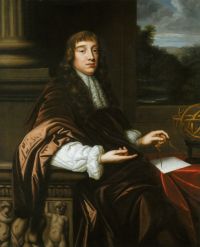
Robert Boyle’s studies on chemical separation and Edmund Montgomery’s examinations of protoplasmic growth illustrate connections between natural philosophy and experimental science. At the same time, John Stuart Mill’s logical structures and Michel de Montaigne’s empirical reflections emphasize broader intellectual pursuits. This subject therefore links biological interest with philosophical exploration, underscoring monotremes as key to comprehending life’s complexity.