Phonetic spelling

Definition and stakes

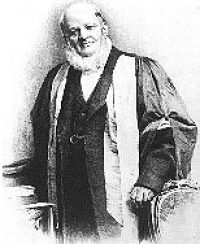
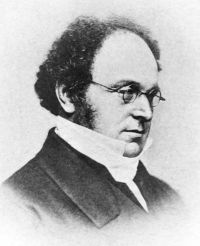
Portrait of Henry Sweet Henry Sweet,  1911 Encyclopædia Britannica (1911)

“ The advantages of beginning a foreign language in a phonetic notation are many and obvious. In the first place, the learner who has once mastered the notation and learnt to pronounce the sounds the letters stand for, is able to read off at once any text that is presented to him without doubt or hesitation, and without having to burden his memory with rules of pronunciation and spelling. Another advantage of phonetic spelling is that when the learner sees the words written in a representation of their actual spoken form he is able to recognize them at once when he hears them. ”
Source: Wikisource

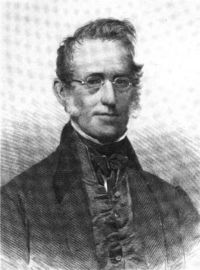
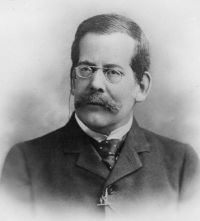
Portrait of Thomas Raynesford Lounsbury Thomas Raynesford Lounsbury,  English spelling and spelling reform (1909)

“ Accordingly, as difference in a hitherto unheard method of pronunciation has always affected men by the mere sound of it, so does now a new spelling affect them by the sight of it. It arrests the attention of all. Of some it excites the resentment; to others it almost causes convulsions of agony. Hence, those who advocate a pure phonetic spelling—in itself the only strictly rational method—are holding forth a counsel of perfection to a body of persons who are so steeped in orthographic iniquity that they have come to think it the natural condition of the race. ”
Source: Gutenberg

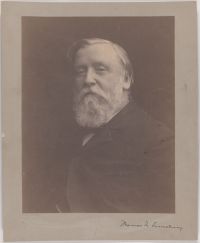
Portrait of Thomas Raynesford Lounsbury Thomas Raynesford Lounsbury,  English spelling and spelling reform (1909)

“ Phonetic spelling is not a destructive but a conservative agency. Just as the creation of literature holds a language fast to its moorings, just as it renders it stable by arresting all speedy verbal or grammatical change, so the establishment of phonetic spelling would operate upon orthoepy. The exact pronunciation would be imposed upon the word by its very form. No one could mistake it, no one would be tempted to disregard it. From it there would never be variation save when a change in the sound imperatively demanded a change in the spelling to indicate it. ”
Source: Gutenberg

Get perspective with Kwize: daily news enlightened by great literature