Pictorialism

Definition and stakes

Carleton Eldredge Noyes,  The Enjoyment of Art

“ Much seeing and much thinking, much bewilderment and some disappointment, have taught him that in the appreciation of pictures the question at issue is not, how cleverly has the painter imitated his object, is not, how suggestive is the subject of pleasing associations; he need simply ask himself, "What has the artist conceived or felt in the presence of this landscape, this arrangement of line and color, this human face, that I have not seen and felt, and that he wants to communicate to me?" ”

Source: Gutenberg

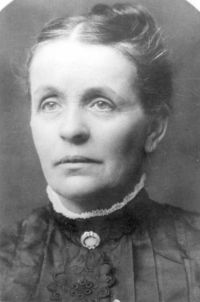
Portrait of Mrs. Jameson Mrs. Jameson,  Visits and Sketches at Home and Abroad…

“ I think most people admire pictures in this sort of atheistical fashion; yet next to loving pictures, and all the pleasure they give, and revelling in all the feelings they awaken, all the new ideas with which they enrich our mental hoard—next to this, or equal with it, is the inexhaustible interest of studying the painter in his works. It is a lesson in human nature. Almost every picture (which is the production of mind) has an individual character, reflecting the predominant temperament—nay, sometimes, the occasional mood of the artist, its creator. ”
Source: Gutenberg

Various,  Popular Science Monthly (1914)

“ It is not only at such moments of intellectual idling, however, that we thus turn to pictures in connection with our reading. How often, when a point of difficulty arises do we long for a pictorial representation which would make all plain to us, as by a flash of lightning the dark landscape is revealed at night! How gratefully do we turn to a satisfactory illustration and find there the realization of our own conception which the artist has made still more rich and splendid by his craft! ”
Source: Wikisource

Get perspective with Kwize: daily news enlightened by great literature