Pollinator

Definition and stakes

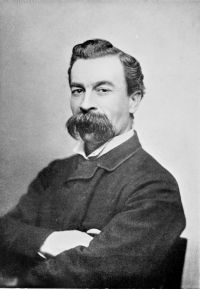
Carl Weschcke,  Growing Nuts in the North

“ Such species are known as self-fertile. As in the case of ordinary chestnuts which receive no cross pollination, and the pistillate flowers develop into perfect burrs with shrunken meatless, imperfect nuts, the Weschcke black walnut, when standing alone or when the prevailing winds prevent other nearby pollen from reaching any or but few of its pistillate bloom, goes on to produce fine looking average-sized nuts practically all of which are without seed or kernels. Such therefore is the importance of knowing the correct pollinators for each variety of nut tree. ”
Source: Gutenberg

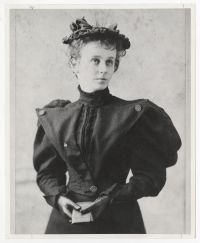
Portrait of Eleanor Stackhouse Atkinson Eleanor Stackhouse Atkinson,  The How and Why Library — Section IV (1915)

“ These pollen threads are very ready to drop their yellow dust and broaden into petals. And they are just as ready to turn back again. If the seeds of the finest, double garden roses are planted, they sometimes forget all their long training, and go back to the single-petaled blossom and straggling canes of the wild rose. They have to be grown from cuttings to keep them tamed.
Left alone, nature might never have made one of our double roses of the garden. She doesn't seem to care to make the flower better. All she thinks about is the seed.
”
Source: Wikisource

Get perspective with Kwize: daily news enlightened by great literature