Pseudonym

Definition and stakes

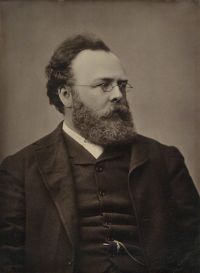
Portrait of Charles A. Cutter Charles A. Cutter,  Rules for a Dictionary Catalogue

“ A pseudonym, that is, a false name; as, John Phenix, Mark Twain.
If the author’s real name is known, make the entry under that, with a reference from the pseudonym; but if the writer is much better known by the pseudonym, enter under that, with a reference from the real name. (See note under § 6.)
A phrase—“One who loves his country,” “A friend to peace”—or even a shorter appellation—“A lawyer”—is not a name. References might be made from these to the word under which the book is entered, but they would swell the catalogue and rarely be of use.
”
Source: Gutenberg

Portrait of William John Locke William John Locke,  Idols

“ In these modern days a pseudonym is as effective a disguise as a jacket worn inside out. She was disturbed in mind, dreading publicity. “Delta” had become as soiled a name as “Irene Merriam.” Would not that lessen the influence of her work? ”
Source: Gutenberg

Cornelius Weygandt,  Irish Plays and Playwrights

“ There is no doubt in my mind that it was the part of wisdom for Sharp to put out the new work under a pseudonym, worldly wise if you will, but wise, too, with a higher wisdom. If he could keep the side of him he had never yet exhausted through hackwork apart from his other work, it would grow as it could not if it were a part of his daily stint.
Why Sharp chose a woman's name for his pseudonym has troubled many, but this choice was, I think, as was the assumption of a pseudonym, the part of wisdom. I do not believe, as he at times liked to believe, that he attained a woman's standpoint.
”
Source: Gutenberg

Get perspective with Kwize: daily news enlightened by great literature