Railway passenger

Definition and stakes

James F. Muirhead,  The Land of Contrasts: A Briton's View of His American Kin

“ Many and curious, when I regained my hotel, were the enquiries as to how he had behaved himself; and it was no thanks to them that I could report that, though rather frisky on the road, he had sobered down in the most sagacious manner when we struck the narrow upward trail. In America the railway passenger has to look out for himself. There is no checking of tickets before starting to obviate the risk of being in the wrong train. There is no porter to carry the traveller's hand-baggage and see him comfortably ensconced in the right carriage. ”
Source: Gutenberg

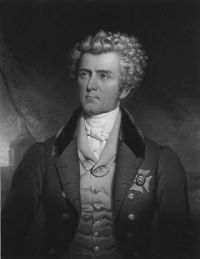
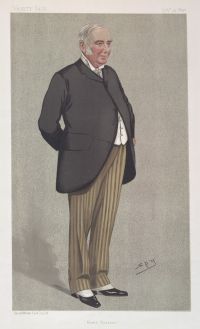
Portrait of George Findlay George Findlay,  The Working and Management of an English Railway (1889)

“ The most important thing, at all times, is to keep the line clear for the passenger trains, and, as a matter of fact, everything is made to give way to this, for there is nothing that adds so much to the reputation of a line, or redounds so much to the credit of the officers and servants, as a well-appointed and punctual passenger service. ”
Source: Wikisource

Curtis Guild,  Over the Ocean; or, Sights and Scenes in Foreign Lands

“ In the great English cities and towns, the stations are vast iron, glass-roofed structures, kept in excellent order. The waiting-rooms are divided into first, second, and third class, and the door opening upon the platform is not opened until a certain time before the train starts. Porters in uniform take the luggage to the train, and the "guard" who acts as conductor knows nothing about any railway train connections or line beyond his own. The passenger is supposed to know all that sort of thing, and he who "wants to know, you know," is at once recognized as an American. ”
Source: Gutenberg

Get perspective with Kwize: daily news enlightened by great literature