Reactionary movement

Definition and stakes

Portrait of Lady Florence Dixie Lady Florence Dixie,  Isola; or, The disinherited: A revolt for woman and all the disinherited (1877)

“ And when we cry ‘Reform,’ retorts ‘Revolt,’ And dubs our movement ‘Social Revolution.’ Our noble Vergli calls it ‘Moral Force,’ Seeking a level where it can abide, And influence entire Society. And thus it is, dear comrades, without doubt, And therefore to attain it we must work, Using all forces which we can command. We seek not Anarchy, that’s not our creed, We ask for Human rights and Human laws, For true religion, and not Superstition. ”
Source: Gutenberg

Fredy Perlman,  Manual for Revolutionary Leaders (1974)

“ The seizure and consolidation of the estranged power of community, the State, has become the form of development of productive forces in conditions where earlier forms of Capital accumulation ceased to perform their historical task. Military, administrative and ideological activities—defense, organization, theory—become modern forms of revolutionary activity, archetypes of political engagement, synonyms of radicalism and movement. ”
Source: Wikisource

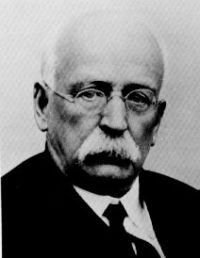
Portrait of Gustave Le Bon Gustave Le Bon,  The Psychology of Revolution

“ Commenced by the middle classes for their own profit, the Revolution speedily became a popular movement, and at the same time a struggle of the instinctive against the rational, a revolt against all the constraints which make civilisation out of barbarism. It was by relying on the principle of popular sovereignty that the reformers attempted to impose their doctrines. Guided by leaders, the people intervened incessantly in the deliberations of the Assemblies, and committed the most sanguinary acts of violence. ”
Source: Gutenberg

Get perspective with Kwize: daily news enlightened by great literature