Resistance (biology)

Definition and stakes

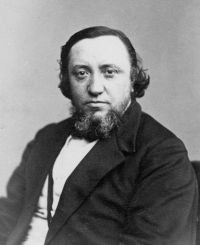
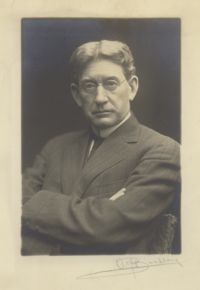
Portrait of Herbert Spencer Herbert Spencer,  The Principles of Biology, Volume 2… (1899)

“ And afterwards, in addition to this passive resistance to continued increase, there comes an active resistance: the creatures which thrive at the expense of the species—the larvae, the birds, the herbivores—increase too. If it be an animal that has grown more numerous, then, unless by some exceptional coincidence a simultaneous and proportionate addition to the animals or plants serving for food has occurred, there must result a relative scarcity of food. Enemies, too, be they beasts of prey or be they parasites, must quickly begin to multiply. ”
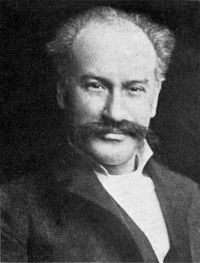
Source: Gutenberg

Portrait of Herbert Spencer Herbert Spencer,  The Principles of Biology, Volume 1…

“ Now what is the process by which the moving equilibrium in any species becomes adapted to some additional external factor furthering its maintenance? Instead of an increased resistance to be met and counterbalanced, there is here a diminished resistance; and the diminished resistance is equilibrated in the same way as the increased resistance. As, in the one case, there is a more frequent survival of individuals whose peculiarities enable them to resist the new adverse factor ”
Source: Gutenberg

Portrait of Herbert Spencer Herbert Spencer,  The Principles of Biology, Volume 1…

“ Guided by these two classes of facts, we must regard the bounds to each species' sphere of existence as determined by the balancing of two antagonist sets of forces. The tendency which every species has to intrude on other areas, other modes of life, and other media, is restrained by the direct and indirect resistance of conditions, organic and inorganic. ”
Source: Gutenberg

Get perspective with Kwize: daily news enlightened by great literature