Right to jury trial

Definition and stakes

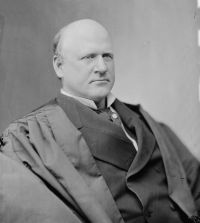
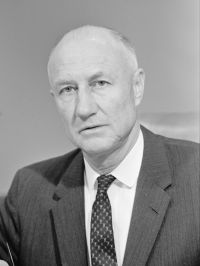
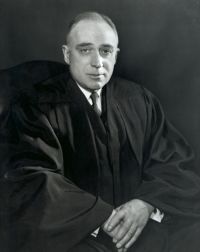
Portrait of John Marshall Harlan II John Marshall Harlan II,  Cheff v. Schnackenberg — Concurrence

“ The decision to extend the right to jury trial to criminal contempts ending in sentences greater than six months is the product of the views of four Justices who rest that conclusion on the Court's supervisory power and those of two others who believe that jury trials are constitutionally required in all but 'petty' criminal contempts. The four Justices who rely on the supervisory power also find the constitutional question a 'difficult' one. ”
Source: Wikisource

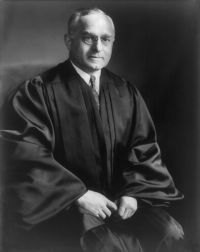
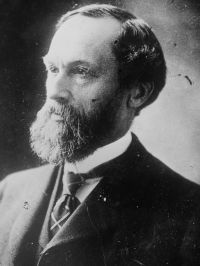
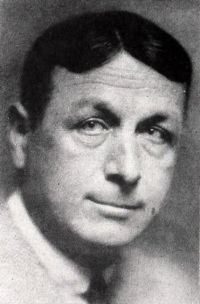
Portrait of Lysander Spooner Lysander Spooner,  An Essay on the Trial By Jury

“ It is, for instance, manifestly absurd to say that jurors have no moral responsibility for the enforcement of an unjust law, when they consent to render a verdict of guilty for the transgression of it; which verdict they know, or have good reason to believe, will be used by the government as a justification for inflicting a penalty.
It is absurd, also, to say that jurors have no moral responsibility for a punishment indicted upon a man against law, when, at the dictation of a judge as to what the law is, they have consented to render a verdict against their own opinions of the law.
”
Source: Gutenberg

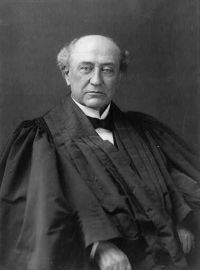
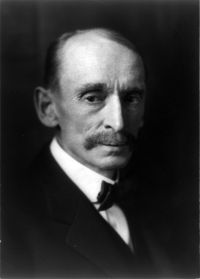
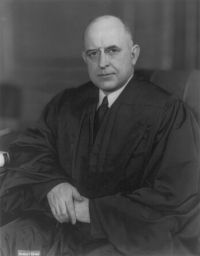
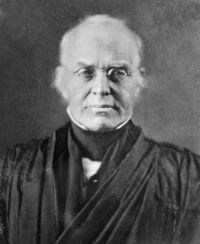
Portrait of David Josiah Brewer David Josiah Brewer,  Schick v. United States — Opinion of the Court

“ But if there be no constitutional or statutory provision or public policy requiring a jury in the trial of petty offenses, upon what ground can it be contended that a defendant therein may not voluntarily waive a jury? Can it be that a defendant can plead guilty of the most serious, even a capital, offense, and thus dispense with all inquiry by a jury, and cannot, when informed against for a petty offense, waive a trial by jury? ”
Source: Wikisource

Get perspective with Kwize: daily news enlightened by great literature