Roaring, a term evoking both natural and metaphorical intensity, has been explored by authors across centuries to depict sound, force, and emotion. From Richard Garnett’s grim portrayal of “the noise of their chains, with the roaring of the beaten waters” to Henry Beston’s vivid imagery of “thunder birds” and “arrows of lightning,” the theme resonates in diverse contexts—whether as a storm’s fury, a mill’s relentless churn, or a horse’s gallop.
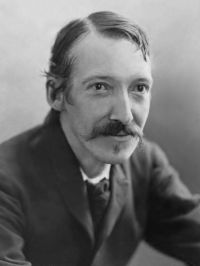
Virgil links it to elemental shifts, while Robert Louis Stevenson imbues it with temporal permanence. These varied depictions underscore roaring’s dual role as a literal occurrence and a symbolic conduit for human experience.