“ Sanitary science may be summed up in the one word—Cleanliness. Pure water and pure air are its essentials. Wherever there is impurity, it must be washed away and got rid of. Thus sanitary science is one of the simplest and most intelligible of all the branches of human knowledge. Perhaps it is because of this, that, like most common things, it has continued to receive so little attention. Many still think that it requires no science at all to ventilate a chamber, to clean out a drain, and to keep house and person free from uncleanness. ”
Sanitary science
Definition and stakes
The theme of “sanitary science” has been addressed by authors such as Thomas Henry Huxley, Charles Babbage, Elizabeth Blackwell, James Rush Black and Henry Gustav Beyer. It is often associated with terms like disease, hygiene, microorganism, sanitation and health.
Quotes about “sanitary science”
James P. Boyd, Triumphs and Wonders of the 19th Century…
“ Sanitary science strives not only to prevent disease, but also to promote health, and its progress is fully as marked in its efforts at promotion as in those of prevention, although we do not possess the cold figures of even imperfect vital statistics to demonstrate the proposition.It must be kept in mind that sanitary science is wider than sanitation in its technical sense. One would not care to assert that philanthropic effort and sweet charity are resultants of the development of sanitary science,—very few care to assert an evident untruth. ”
William Edmond Pulsifer, A Brief Account of the Educational Publishing Business in the United States
“ It is truthfully said that both medicine and surgery have been perfected to such a high degree that the length of human life greatly has been increased; that sanitary science is so well understood,3 and its principles so generally practiced, that disease germs born in filth no longer exist in such abundance as in the days when, because of the ignorance or indifference of the majority of the population, food, air, and water carried these breeders of disease to their unhappy victims. ”
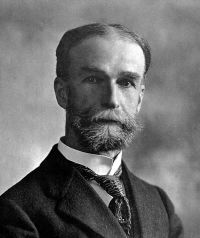 Theobald Smith,
Popular Science Monthly
(1904)
Theobald Smith,
Popular Science Monthly
(1904)
“ The university medical school has here a great function to perform, for it is the legitimate source of knowledge pertaining to hygiene and sanitation. There are few problems which have not been suggested by contact with disease. Sanitary science is broad and rests upon many foundations, and the means of disseminating its teachings are many, but its origin is in pathology. Without the stimulus of the continual presence of disease its problems may become trivial and its practise ineffective. ”
J. H. Craven, A text-book on hygiene and pediatrics from a chiropractic standpoint (1924)
“ Medically the aim and function of hygiene is to increase the internal resistance of the individual and thus prevent dis-ease and prolong life. The aim and function of sanitation or sanitary science is to improve the environmental conditions and thus prevent dis-ease and prolong life of the individual. ”
James Rush Black, Popular Science Monthly (1873)
“ We have said that the applications of sanitary science must be made mainly by the individual members of society. This is true of the kind of air breathed, of the food and drinks partaken, of the clothing worn, etc., etc. But where human beings are clustered together, their sanitary relations are so intimate that it becomes absolutely necessary for the general good to define and regulate some sanitary matters by law, which each member of a community cannot, as an individual, regulate for himself. ”
J. H. Craven, A text-book on hygiene and pediatrics from a chiropractic standpoint (1924)
“ Sanitary science includes the sum total of the knowledge of those principles and processes necessary to maintain personal and public health. It is an inductive science and therefore depends upon observation and verification in determining the general laws and truths of health and the relation between cause and effect in public and personal health. ”
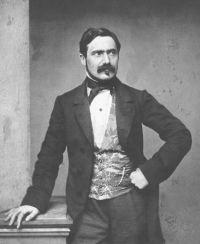 Max Joseph von Pettenkofer,
Popular Science Monthly
(1882)
Max Joseph von Pettenkofer,
Popular Science Monthly
(1882)
“ Hygiene, or the science of health, has a widely extended field of labor in laying a scientific foundation for our sanitary regimen. Even if in many cases it only shows that all is not as it has heretofore been supposed to be, that has its great practical value. ”
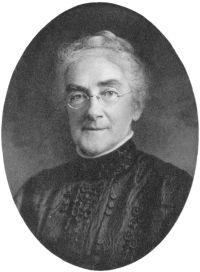 Ellen H. Richards,
Euthenics, the science of controllable environment
Ellen H. Richards,
Euthenics, the science of controllable environment
“ From all sides comes testimony to the decrease in personal efficiency of workers of all degrees. Medical science has prolonged life, hospitals and visiting nurses have made sickness less distressful, but have also in many cases prolonged the time and increased the cost. Sanitary science aims to prevent the beginnings of sickness, and so to eliminate much of the expense. ”
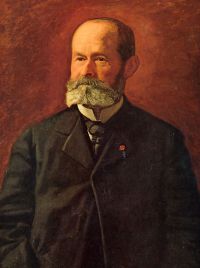 Daniel G. Brinton,
Races and Peoples: Lectures on the Science of Ethnography
Daniel G. Brinton,
Races and Peoples: Lectures on the Science of Ethnography
“ It has also been urged that the improved sanitary hygienic science of modern times will do efficient battle against the lethal influences of strange climes. Doubtless in individual cases such precautions are of the highest value; they aid the system in withstanding malarial and zymotic poisons; but the best of them, employed on the widest scale, will prove sadly inadequate, as is shown by their failure in many a tract in the temperate zone. ”
Sir Arthur Newsholme, Public health and insurance: American addresses (1920)
“ Public health in the main is concerned primarily [Pg 45] with the environmental measures calculated to prevent the attack of man by disease, whether pre-natal or post-natal. These measures may be industrial, as in the prevention of accidents, of dust, of noxious vapours; or sanitary, as in the control of water supplies, food, or milk, and in the removal of organic filth; or may be the application of preventive medicine against infectious and non-infectious diseases ”
J. H. Craven, A text-book on hygiene and pediatrics from a chiropractic standpoint (1924)
“ An effort has been made to include only that part of hygiene pertaining to our science. Since sanitation pertains especially to the environment, the approach to its study is the same regardless of the viewpoint from which it is considered. ”
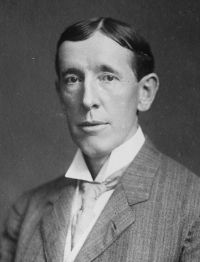 Woods Hutchinson,
Preventable Diseases
Woods Hutchinson,
Preventable Diseases
“ Hence, at a very early period we find the development of the rudiments of systems of body-sewerage, providing for the escape of waste poisons through the food-tube, through the kidneys, through the gills and lungs, through the sweat glands of the skin. So that when the body is confronted by actual disease, it has all ready to its hand a remarkably effective and resourceful system of sanitary appliances—sewer-flushing, garbage-burning, filtration. ”
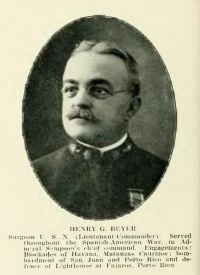 Henry Gustav Beyer,
Popular Science Monthly
(1912)
Henry Gustav Beyer,
Popular Science Monthly
(1912)
“ The visitor was thus prepared to pass into the section in which the common infectious diseases of man were shown, how they originate and how they are best prevented, at the same time exhibiting busts of the most noted men of science who have contributed most to our knowledge in this department of sanitation. A most noteworthy feature also was the development, care and best mode of nutrition for nurslings; it was here shown that the care for the child must begin before birth and must extend to the mother. ”
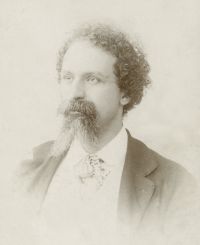 Enrico Ferri,
The Positive School of Criminology
Enrico Ferri,
The Positive School of Criminology
“ That which has happened in medicine will happen in criminology. The great value of practical hygiene, especially of social hygiene, which is greater than that of individual hygiene, has been recognized after the marvelous scientific discoveries concerning the origin and primitive causes of the most dangerous diseases. So long as Pasteur and his disciples had not given to the world their discovery of the pathogenic microbes of all infectious diseases, such as typhoid fever, cholera, diphtheria, tuberculosis, etc, more or less absurd remedies were demanded of the science of medicine. ”
Ray Vaughn Pierce, The People's Common Sense Medical Adviser in Plain English
“ The true physician brings to his aid Physiology, Hygiene, and Medicine, and combines the science of the former with the art of the latter, that restoration may be made permanent, and the health preserved by the aid of hygiene. But when any one makes Hygiene exclusively the physician, or deals wholly in hygienic regulations with little respect for physiology, or lavishly advertises with hygienic prefixes, we may at once consider it a display, not of genuine scientific knowledge, but only of the ignorance of a quack. ”
 Elizabeth Blackwell,
Essays in medical sociology, Volume 2…
(1902)
Elizabeth Blackwell,
Essays in medical sociology, Volume 2…
(1902)
“ Supremacy of Hygiene.—Taking the results of sectional discussions as a whole, it was very generally shown that, by our increasing knowledge of hygienic law, its wide diffusion amongst the people, and its intelligent application to daily life, we can counteract the evil influence of heredity, get rid of epidemics, improve the stamina of the race, advance in longevity and in the natural enjoyment of our earthly span of life. Thus it is by the advance of sanitation that the Art of Healing can alone become a science of Medicine. ”
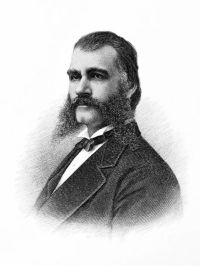 Henry Putnam Stearns,
Insanity: Its Causes and Prevention
Henry Putnam Stearns,
Insanity: Its Causes and Prevention
“ There are few diseases the conditions of whose existence are so clearly and fully understood that they can in every case be avoided, and in reference to the ultimate causes of many we know little or nothing. It is true that, within a few years, we have more clearly recognized the relations of hygiene to the prevalence of some forms of disease, and by this means have done much toward limiting their progress, thus achieving some of the grandest triumphs of medical science in recent times. ”
“ Probably the decrease in the number of cases of consumption in the last quarter of a century has been due quite as much to the improved sanitary conditions of living, whereby the germs have been unable to secure a foothold in the individual, as to any precautionary measures taken against the germ itself. ”
Bertha May Clark, General Science
“ The prevention of disease epidemics is one of the most striking achievements of modern science. Food, clothing, furniture, and other objects contaminated in any way by disease germs may be disinfected by chemicals or by heat, and widespread infection from persons suffering with a contagious disease may be prevented. ”
George Gallie Nasmith, On the Fringe of the Great Fight
“ Then material of all sorts began to come in for examination from the casualty clearing stations, field ambulances, sanitary and medical officers, rest stations and other places. Most of the routine bacteriological work proved to be of much the same nature as that done in a health laboratory at home, and [153] consisted of examinations to detect some of the ordinary communicable diseases such as diphtheria, cerebro-spinal meningitis, typhoid fever, malaria, dysentery, tuberculosis, and venereal diseases. ”
Roger Sherman Tracy, Hand-book of Sanitary Information for Householders (1884)
“ How to prevent contamination of the air by the respiration, bodily emanations, and excreta of diseased persons.It is not possible with our present knowledge to prevent the multiplication of morbid germs in the human body, when they are once implanted there, nor to prevent their discharge; but we can destroy them after their exit from the body, and so protect other persons who are not yet affected. ”
 Upton Sinclair,
Good Health and How We Won It, With an Account of the New Hygiene
Upton Sinclair,
Good Health and How We Won It, With an Account of the New Hygiene
“ The phrase, which was once accurate, is now misleading, for the germ “theory” is part of the definite achievement of science. Not only have we succeeded in isolating the specific germ whose introduction into the body is responsible for different diseases, but in many cases, by studying the history and behavior of the germ, we have been able to find methods of checking its inroads, and so have delivered men from scourges like yellow fever and the bubonic plague. ”
Charles Morris, Famous Men and Great Events of the Nineteenth Century
“ A secondary result of the germ theory of disease is the great advance in hygiene, which, formerly almost non-existent, has now reached the status of a science. It is still against these perilous germs that continuous battle is kept up, absolute cleanliness being the ultimatum at which physicians aim. Disease germs lurk everywhere, and can only be combatted by incessant care. The bacteria of cholera and typhoid fever, for example, are known to be conveyed in water, and the former epidemics of these diseases were in great measure due to the free use of polluted water for drinking. ”
Robert S. Henry, Armed Forces Institute of Pathology… (1964)
“ Greater knowledge of medical officers and greater authority for the Medical Corps resulted in stricter sanitary controls. Broader knowledge of sanitation and disease prevention among officers and men of the line made such controls more readily enforcible. The combination of a lesser number of cases and lesser chances of infection from such cases as there were, created a diminishing spiral of morbidity. ”
 Arthur B. Reeve,
The Poisoned Pen
Arthur B. Reeve,
The Poisoned Pen
“ Any doctor can purchase disease germs in quantities sufficient to cause thousands and thousands of deaths without giving any adequate explanation for what purpose he requires them. More than that, any person claiming to be a scientist or having some acquaintance with science and scientists can usually obtain germs without difficulty. Every pathological laboratory contains stores of disease germs, neatly sealed up in test-tubes, sufficient to depopulate whole cities and even nations. ”
“ Within the last few decades, it is perfectly true, the strides that have been made towards the ultimate sanitary perfection of living are enormous. Vast sums of money are quite properly spent annually on securing for town and country dwellers alike, in{20} answer to the demands made by scientific investigators into the theory of microbes, pure water supplies, ventilation and light in dwelling-rooms, systems of drainage and disinfectants, and inspections of food which shall reduce, as far as possible, such dangers as are universally incident to life and health. ”
Various, Popular Science Monthly (1887)
“ We have learned to appreciate the true value of hygienic principles in the prevention of diseases of the epidemic type; and the medical profession, throwing aside all selfish recollections, has been the first to teach the practice of these principles and to prove their force and vitality. The next step in the way of advancement is to demonstrate that the same principles are as useful and as necessary in the treatment of actual disease as they are in prevention. ”
Clara S. Weeks-Shaw, Popular Science Monthly (1883)
“ Physicians are recognizing more and more the importance of hygienic agencies in the treatment of disease, and with this there has come an increasingly urgent call for the scientific instruction and practical training of those who are to take charge of invalids. Science explains the conditions upon which the art of the nurse depends, and lays down principles which can not be violated without injury ”
Alcinous B. Jamison, Intestinal Irrigation: Why, How and When to Flush the Colon
“ Let me offer the health-seeker a few indications of the sanitary and hygienic requirements demanded by Nature’s normality. In our family and household life, to carry into execution daily hygienic measures, it is essential that we have ample, accessible conveniences for the necessary ablution of the body, externally and internally. How extremely rare it is, however, that bath-tubs and water-closets are found in sufficient quantity and suitable quality in our apartments. As household fixtures they are usually about as scarce as hens’ teeth. ”
Austin O'Malley, Essays In Pastoral Medicine
“ The removal of prejudices with regard to sanitary regulations for the prevention of disease and modern advances in the treatment of disease is an important social duty. There is no doubt that if this influence be properly directed, sanitary measures of various kinds will be much more readily enforced and the precautions necessary to prevent the spread of serious infectious ailments more faithfully observed. ”
 Irving Fisher,
How to Live: Rules for Healthful Living Based on Modern Science
Irving Fisher,
How to Live: Rules for Healthful Living Based on Modern Science
“ It is chiefly useful in preventing acute or infectious diseases, such as typhoid fever, scarlet fever, measles, whooping-cough, small-pox, yellow fever, and diphtheria, and in preventing accidents and occupational diseases. Individual hygiene is chiefly useful in preventing the chronic or degenerative diseases, that is, diseases of nutrition and of circulation, such as heart and kidney affections, nervous prostration, insanity. ”
 Havelock Ellis,
The Task of Social Hygiene
Havelock Ellis,
The Task of Social Hygiene
“ The social movement has stimulated the development of abstract science, and the new progress in science has enabled further advances to be made in social practice. The era of expansion in sanitation was the era of development in chemistry and physics, which alone enabled a sound system of sanitation to be developed. The fight against disease would have been impossible but for bacteriology. The new care for human life, and for the protection of its source, is associated with fresh developments of biological science. ”
Anonymous, The Dixie Druggist, May, 1913
“ It has placed the practice of medicine upon a scientific basis, and inaugurated the era of preventive medicine. The day of curative measures, with which we are most familiar, is passing. In most of the cities and large communities of the world, Public Hygiene has become a very important department of government. Observe our own city of Philadelphia; we have there the largest water purification plant in existence. Its effect, in that city is to reduce the number of typhoid fever cases 80 per cent. of the former total, and perhaps 100 per cent. ”
Related terms
Authors who wrote about “sanitary science”
 Thomas Henry Huxley
 Charles BabbageElizabeth BlackwellJames Rush BlackHenry Gustav BeyerJ. H. CravenSamuel SmilesWilliam Edmond PulsiferJames P. BoydEllen H. RichardsWoods HutchinsonDaniel G. BrintonMax Joseph von PettenkoferSir Arthur NewsholmeHenry Putnam StearnsHenry N. OgdenBertha May ClarkGeorge Gallie NasmithUpton SinclairEnrico Ferri