Sapience

Definition and stakes

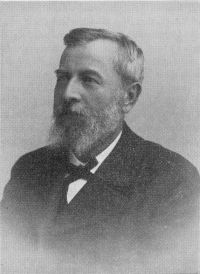
Portrait of Francis Bacon Francis Bacon,  The Advancement of Learning (1605)

“ First, therefore, let us seek the dignity of knowledge in the archetype or first platform, which is in the attributes and acts of God, as far as they are revealed to man and may be observed with sobriety; wherein we may not seek it by the name of learning, for all learning is knowledge acquired, and all knowledge in God is original, and therefore we must look for it by another name, that of wisdom or sapience, as the Scriptures call it. ”
Source: Gutenberg

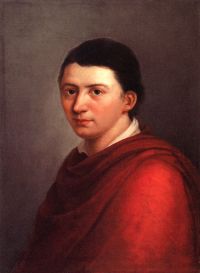
Portrait of Johann Gottlieb Fichte Johann Gottlieb Fichte,  Sun-Clear Statement — Second Conversation (1868)

“ Now these fundamental determinations of consciousness, which the science of knowledge has for its object, also occur in actual perception—or rather those determinations themselves are perceptions; but the science of knowledge has them for its object in quite a different manner from that in which perception has them. Precisely as the consciousness of the real presence of your friend was related to the representation of that presence, or as the actual watch was related to the demonstration of a watch, so actual consciousness is related to the science of knowledge. ”
Source: Wikisource

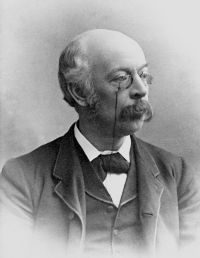
William Dawson Le Sueur,  Popular Science Monthly (1880)

“ Spencer undertakes to write must be from such an account as we might gather from the dicta of consciousness. But, if our individual lives are but links in one great chain of life, which we have learned in these latter days to extend to the lowest forms of the animate creation, can the individual consciousness, however bright and penetrating we may suppose it, be trusted in its affirmations regarding the genesis of action and the development of moral feeling? What can mere consciousness—apart from knowledge derived from external sources—tell us of our bodily constitution and development? ”
Source: Wikisource

Get perspective with Kwize: daily news enlightened by great literature