Scientific management, or Taylorism, is a theory of work organization that applies scientific principles to enhance productivity and efficiency in industrial processes. Pioneered by Frederick Winslow Taylor in the late 19th century, it emphasizes systematic analysis of tasks, standardization of procedures, and the separation of responsibilities between managers and workers. Taylor promoted precise time studies, evidence-based selection of workers, and cooperative task planning to replace subjective "rule of thumb" practices.
Lillian Moller Gilbreth extended this framework by incorporating psychological insights and motion studies to improve worker well-being and performance. While critics point out its mechanistic nature, the lasting principles of scientific management—such as rationality, empirical analysis, and the pursuit of standardized optimal practices—remain essential in modern industrial engineering and management, demonstrating a legacy that continues to influence organizational strategies today.
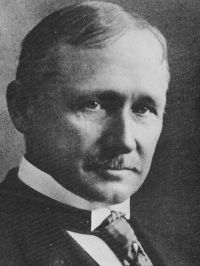 Frederick Winslow Taylor,
The Principles of Scientific Management
Frederick Winslow Taylor,
The Principles of Scientific Management