Signal of distress

Definition and stakes

Edward W. Byrn The Progress of Invention in the Nineteenth Century

Sometimes these nerves of sensation are no longer useful as monitors, and in the unavoidable emergency of accident, surgical operations, child birth, and certain diseases, suffering can do no good, and then pain—that Prince of Terrors—thrusting his presence upon the hapless victim, racks body and limb, calling forth groans, and shrieks and writhings, till the poor sufferer, possessed with a dominating agony which displaces all thought of life, memory of friends, and love of God, breaks down in unutterable distress, and prays for death and oblivion.
Source: Gutenberg

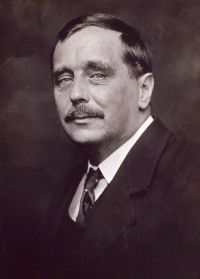
Portrait of George Wharton James George Wharton James Quit Your Worrying!

Phrases like "to sit on thorns," "to be on pins and needles," "to drain the cup of misery to the dregs," show with graphic power the folly and curse of worry. Why should one sit on thorns, or on pins and needles? If one does so accidentally he arises in a hurry, yet in worrying, one seems deliberately, with intent, to sit down upon prickles in order to compel himself to discomfort, distress, and pain. Is there any wisdom, when one has the cup of misery at his lips, in deliberately keeping it there, and persistently drinking it to the "very dregs"?
Source: Gutenberg

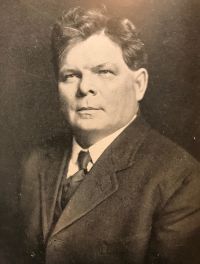
Portrait of Walter Bradford Cannon Walter Bradford Cannon Bodily changes in pain, hunger… (1915)

From the evidence just given it appears that any high degree of excitement in the central nervous system, whether felt as anger, terror, pain, anxiety, joy, grief or deep disgust, is likely to break over the threshold of the sympathetic division and disturb the functions of all the organs which that division innervates.
Source: Gutenberg

Get perspective with Kwize: daily news enlightened by great literature