Skin color

Definition and stakes

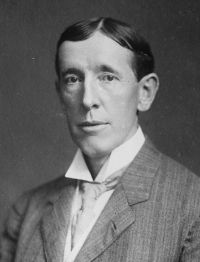
Fernand Papillon,  Popular Science Monthly (1873)

“ The parts of the body usually bare, as the skin of the face and hands, are darker than others. In the same region, country-people are more tanned than town residents. In latitudes not far apart, the inhabitants of the same country vary in complexion in a measure perceptibly related to the intensity of solar light. In Europe three varieties of color in the skin are distinctly marked: olive-brown, with black hair, beard, and eyes; chestnut, with tawny beard and bluish eyes; blond, with fair, light beard and sky-blue eyes. White skins show more readily alterations occasioned by light and heat ”
Source: Wikisource

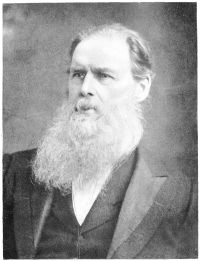
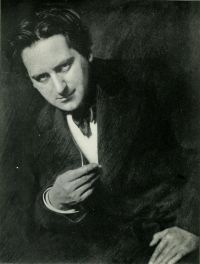
Portrait of Edward Burnett Tylor Edward Burnett Tylor,  Popular Science Monthly (1881)

“ The color of the skin, that important mark of race, may be best understood by looking at the darkest variety. The dark hue of the negro does not lie so deep as the innermost or true skin, which is substantially alike among all races of mankind. The negro, in spite of his name, is not black, but deep brown, and even this darkest hue does not appear at the beginning of life, for the new-born negro child is reddish-brown, soon becoming slaty-gray, and then darkening. Nor does the darkest tint ever extend over the negro's whole body, but his soles and palms are brown. ”
Source: Wikisource

Get perspective with Kwize: daily news enlightened by great literature