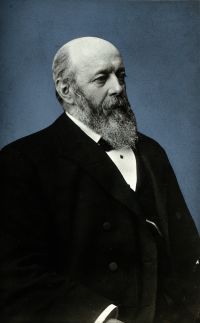
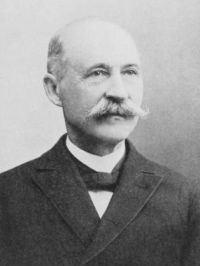
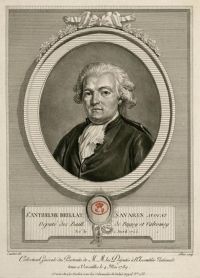
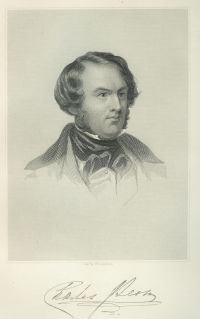
The soft palate, a muscular tissue at the back of the oral cavity, separates the nasal and oral passages during swallowing and speech. Authors such as Frank E. Miller emphasized its role in shaping sound through adaptive movements, while Thomas Fillebrown focused on its function in isolating nasal cavities to improve vocal resonance.
Joseph C. Hutchison pointed out its sensory role in taste perception, connecting palatability to its anatomical structure. These perspectives highlight the soft palate’s dual importance in physiological processes and auditory articulation, revealing its complex interaction between anatomy and human expression.