Spindle whorl

Definition and stakes

Various,  Popular Science Monthly (1898)

“ Although it went out in England some fifty or sixty years ago, and in the United States a little later, it has become as completely forgotten by the world as if it had been for centuries unknown. Spindle whorls have been discovered from time to time in deep excavations; implements used in spinning may be seen in the most ancient Egyptian sculptures; and spindles with the whorl attached are found in Egyptian excavations; so that we have means of acquainting ourselves with the conditions of the art in all ages. ”

Source: Wikisource

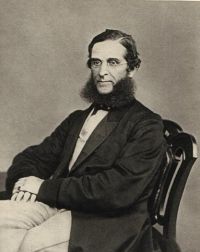
Portrait of Edward Burnett Tylor Edward Burnett Tylor,  Researches into the Early History of Mankind and the Development of Civilization (1878)

“ So it is a very reasonable and natural thing, that tribes who had been used to twist their thread by hand, should sometimes overcome their dislike to change, and adopt the spindle when they saw it in use; or such a tribe might be supposed capable of inventing it; but the going back from the spindle to hand-twisting is a thing scarcely conceivable. A spindle is made too easily by anyone who has once caught the idea of it; a stick and a bit of something heavy for a whorl is the whole machine. ”
Source: Wikisource

Various,  Appletons' Popular Science Monthly…

“ The spindle itself is long and heavy, and the whorl, in the older examples, is a large disk cut from a mountain goat's horn. There is no attempt at decoration, nor do the spindles compare with those found in Peru and other parts of America for neatness and beauty. An unusual feature of the method employed by the Hopi spinner is the manner in which the spindle is held under one foot while he straightens out the thread preparatory to winding it. ”
Source: Gutenberg

Get perspective with Kwize: daily news enlightened by great literature