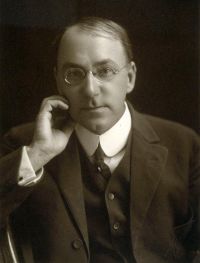
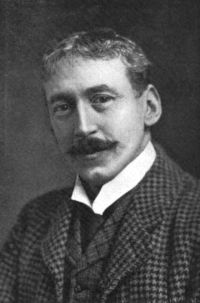
Staccato, a term rooted in music to describe short, separated notes, transcends its technical origins into literary imagery, where it conveys sharp, broken sounds or rhythms. Authors such as Melville Davisson Post create unsettling moods through staccato portrayals of wind and sleet, while George Gibbs uses it to depict subtle, nearly imperceptible sounds in fog.
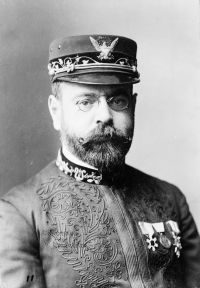
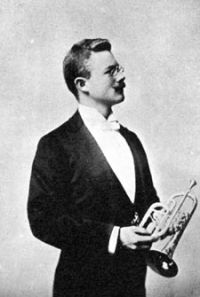
In musical settings, Paul David and John Philip Sousa analyze its performance, stressing accuracy in bowing, and Margaret West Kinney connects it to dance, presenting it as a lively counterpoint to continuous movement. These diverse uses highlight staccato’s dual function as both a technical technique and a metaphor for disjointed experience, linking artistic disciplines through its evocative, precise quality.
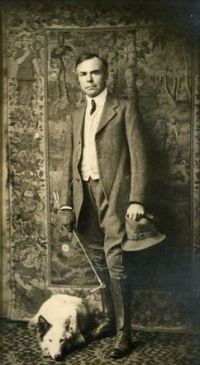 Melville Davisson Post,
Uncle Abner: Master of Mysteries
(1918)
Melville Davisson Post,
Uncle Abner: Master of Mysteries
(1918)