Stress (biology)

Definition and stakes

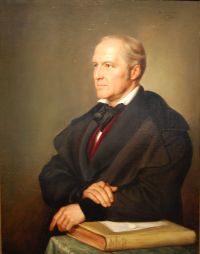
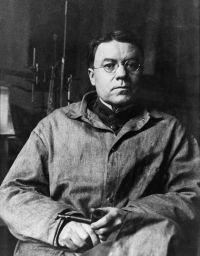
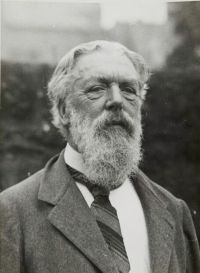
Portrait of D'Arcy Wentworth Thompson D'Arcy Wentworth Thompson,  On Growth and Form

“ Partly associated with the same phenomenon, and partly to be looked upon (meanwhile at least) as a fact apart, is the very important physiological truth that a condition of strain, the result of a stress, is a direct stimulus to growth itself. This indeed is no less than one of the cardinal facts of theoretical biology. The soles of our boots wear thin, but the soles of our feet grow thick, the more we walk upon them: for it would seem that the living cells are “stimulated” by pressure, or by what we call “exercise,” to increase and multiply. ”
Source: Gutenberg

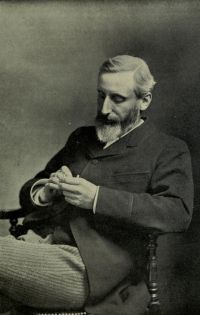
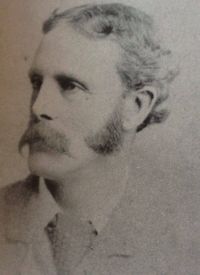
Portrait of Herbert Spencer Herbert Spencer,  The Principles of Biology — Chapter III.12 (1898)

“ Through direct equilibration, diminished external stress on these parts has resulted in diminution of the internal forces by which this stress is met. From generation to generation, this lessening of the parts consequent on functional decline has been inherited. And since the survival of individuals must always have been determined by more important structural traits, this trait can have neither been facilitated nor retarded by natural selection. ”
Source: Wikisource

Steven J. Bartlett,  When You Don't Know Where to Turn

“ It is associated with high blood pressure, hardening of the arteries, strokes, ulcers, colitis, and a host of other physical conditions. And severe stress endured too long leads to emotional breakdown.
All physical materials can be loaded or stressed to a certain point beyond which they distort, snap, fracture, or break. Stress loads human beings physically as well as emotionally. Any change—whether for good or for ill—is a stressor.
”
Source: Gutenberg

Get perspective with Kwize: daily news enlightened by great literature