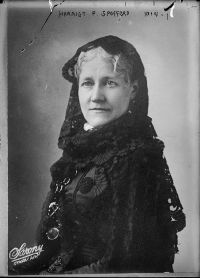
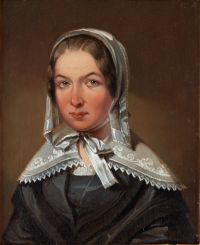
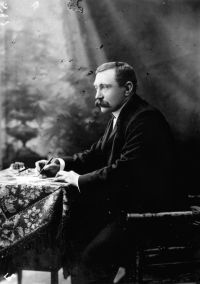
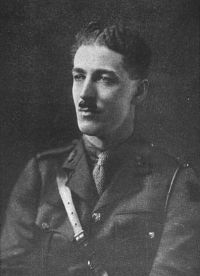
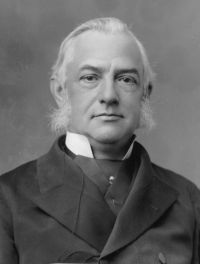
"Tomorrow" denotes the day following the present, serving as a temporal marker of the near future. Authors have long grappled with its significance: Alexander Maclaren frames it as a product of the present, Leo Tolstoy emphasizes its continuity with the past, and Charles Wesley Naylor encourages living fully in the moment to shape it.
Ralph Waldo Trine connects today’s actions to tomorrow’s outcomes, while Shakespeare’s bleak "petty pace" contrasts with Dale Carnegie’s hopeful focus on present responsibility. These perspectives collectively reveal tomorrow as a concept shaped by the present, reflecting both human agency and the unrelenting progression of time.
 Alexander Maclaren,
Expositions of Holy Scripture
Alexander Maclaren,
Expositions of Holy Scripture