Unleavened bread

Definition and stakes

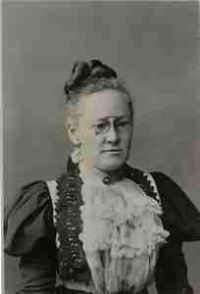
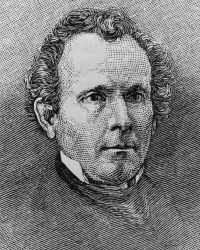
Portrait of Sylvester Graham Sylvester Graham,  A Treatise on Bread, and Bread-making (1837)

“ It is incontestibly true, that if two portions of the same kind of wheat meal be taken and made, the one into unleavened and the other into leavened bread, and both be eaten warm from the oven, the leavened bread will prove much more oppressive and difficult to manage in the stomach than the unleavened. But aside from the changes that are produced by the process of fermentation, there are many other considerations why unleavened bread of a proper quality and age, is better 29adapted to sustain the alimentary organs and general constitution of man, in their highest and best condition. ”
Source: Gutenberg

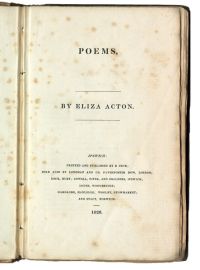
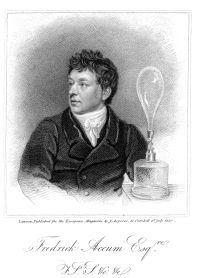
Portrait of Friedrich Christian Accum Friedrich Christian Accum,  A treatise on the art of making good wholesome bread of wheat…

“ In Roman catholic countries it is still used, and prepared with the finest wheaten flour, moistened with water, and pressed between two plates, graven like wafer moulds, being first rubbed with wax to prevent the paste from sticking, and when dry it is used. Unleavened bread is hardly less nutritious than loaf or fermented bread, but it is generally speaking neither so wholesome nor so digestible. ”
Source: Gutenberg

Talmud (Rodkinson Edition) — Book 3…

“ Who holds, then, that unleavened bread may be made with second tithes? R. Aqiba, and he excludes firstfruits by reason of the passage quoted [Exod. xii. 20] , and not through comparison with bitter herbs. Thus we see that he retracts his former statement, as mentioned above.
The rabbis taught: "It is written 'bread of affliction'; hence pancakes (made of flour, boiling water, and oil) and large loaves cannot serve for the acquittal of the duty of eating unleavened bread." Shall we assume, then, that only coarse (barley) bread can serve that purpose?
”
Source: Wikisource

Get perspective with Kwize: daily news enlightened by great literature