Vicarious liability

Definition and stakes

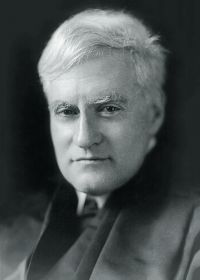
Sir John W. Salmond,  Jurisprudence (1913)

“ Normally and naturally the person who is liable for a wrong is he who does it. Yet both ancient and modern law admit instances of vicarious liability in which one man is made answerable for the acts of another. Criminal responsibility, indeed, is never vicarious at the present day, except in very special circumstances and in certain of its less serious forms. [397] In more primitive systems, however, the impulse to extend vicariously the incidence of liability receives free scope in a manner altogether alien to modern notions of justice. ”
Source: Gutenberg

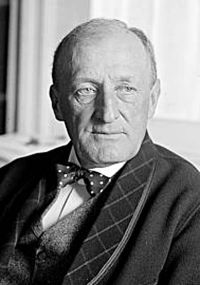
Sir John W. Salmond,  Jurisprudence (1913)

“ So far, therefore, as the beneficiaries and the agents are different persons, the liability of bodies corporate is an instance of vicarious responsibility, and it is to be justified on the same principles as are applicable to the vicarious liability of a principal for the unauthorised acts of his agent—principles which will be considered by us at a later stage of our enquiry. ”
Source: Gutenberg

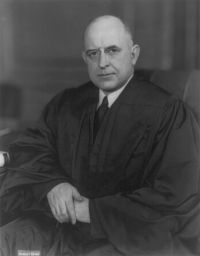
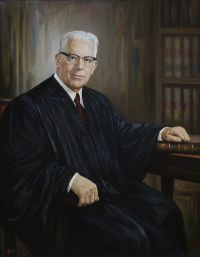
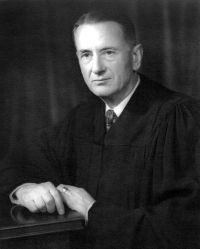
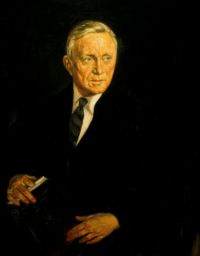
Portrait of William O. Douglas William O. Douglas,  Anderson v. Abbott — Opinion of the Court

“ The suggestion that there should be no liability without fault unless a statute establishes it denies the whole history of the judicial process in shaping the rules of vicarious liability. The liability of a master for the torts of his servant certainly started from no such foundation. And the rules which made those who purchased shares in Massachusetts business trusts responsible for the debts of the enterprise were evolved, with few exceptions, on a common law, not a statutory, basis. ”
Source: Wikisource

Get perspective with Kwize: daily news enlightened by great literature