Water cure

Definition and stakes

R. T. Claridge,  Every Man His Own Doctor

“ It is frequently said, by way of detracting from the merits of the Water-cure, that it is not new, that ages buried in the past have been witnesses to its merits. To this it may be replied, its advocates admit that the application of water to the cure of disease is as old as the hills;—but let me ask, breathes there a man who can point to the page, or call the dirty manuscript, from cavern or chest, wherein lies hid the present process of Hydropathy’s main arms, the wet sheet, sweating process, the douche, etc.? ”

Source: Gutenberg

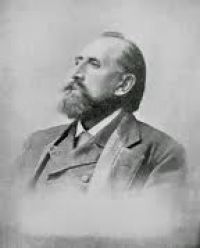
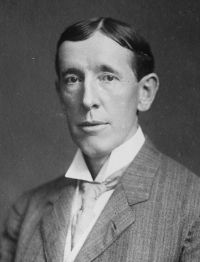
Portrait of Andrew Kennedy Hutchison Boyd Andrew Kennedy Hutchison Boyd,  The Recreations of a Country Parson

“ The fact is, judging from our own experience, that the people who go to the Water Cure are for the most part not suffering from real and tangible ailments, but from maladies of a comparatively fanciful kind,—such as low spirits, shattered nerves, and lassitude, the result of overwork. And our readers may be disposed to think, with ourselves, that the change of air and scene, the return to a simple and natural mode of life, and the breaking off from the cares and engagements of business, have quite as much to do with their restoration as the water-system, properly so called. ”
Source: Gutenberg

Walter V. Woods,  Health: How to get it and keep it

“ By this treatment the impurities of the system soon pass off through the kidneys, the bowels, the lungs, and the pores of the skin, and pure, wholesome blood takes the place of that which was diseased.
The Water Cure.—The importance of water can hardly be overrated. No life, whether animal or vegetable, is possible without it. By water all food is dissolved, and so penetrates the system and nourishes the tissues. By water the waste particles [61] of matter are carried off through the skin, the lungs, and the other secreting or excreting organs.
”
Source: Gutenberg

Get perspective with Kwize: daily news enlightened by great literature