Wheat belt

Definition and stakes

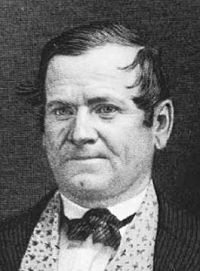
Portrait of Bolton Hall Bolton Hall,  Three Acres and Liberty

“ Six years later, 20,000,000 bushels per year of the wheat was grown in the United States. Its production has increased greatly every season and has added materially to the total of the wheat crop.. Thorough fall cultivation has been found to increase the yield, and in some parts of the wheat belt one in five of the farmers has already adopted the practice. In certain states where manuring has been thought unnecessary, experiments have demonstrated that the yield may be increased 60 per cent by this simple practice. ”

Source: Gutenberg

J. H. Walden,  Soil Culture

“ It would be useless to go into a more extended notice of varieties, as some do best in certain localities, and all are rapidly spread through the dealers, and by the influence of agricultural periodicals. The best time to harvest wheat is when the straw below the head has turned yellow, and the grain is so far out of the milk as not to be easily mashed between the fingers, but before it has become hard. The grain is heavier and of better quality, and wastes far less in harvesting, than when allowed to ripen and dry standing in the field. ”
Source: Gutenberg

George Frederick Zimmer,  1911 Encyclopædia Britannica (1911)

“ Flour milled from hard winter wheat in the American winter districts is sometimes nearly as strong as the spring wheat of the North-west. Hungarian flour milled from Theis wheat is also very strong, and so is the flour milled from some south Russian spring wheats. But here again the degree of strength will vary from season to season in a remarkable manner. In the main each land has its own clearly marked type of wheat. While the United States, Canada, Hungary and Russia are each capable of growing strong wheat, Great Britain, France and Germany produce wheat more or less weak. ”
Source: Wikisource

Get perspective with Kwize: daily news enlightened by great literature