Anglo-Saxon culture

Definition and stakes

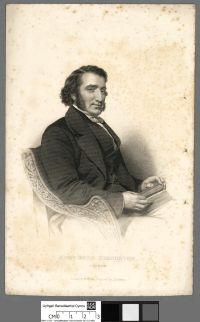
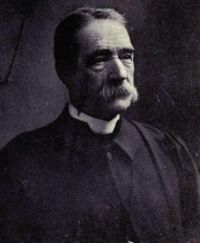
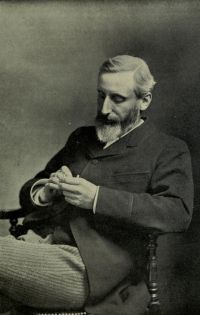
Portrait of Grant Allen Grant Allen,  Anglo-Saxon Britain

“ Our modern poetry is wholly Romance in descent, form, and spirit.
Thus in literature as in civilisation generally, the culture of old Rome, either as handed down ecclesiastically through the Latin, or as handed down popularly through the Norman-French, overcame the native Anglo-Saxon culture, such as it was, and drove it utterly out of the England which we now know. Though a new literature, in Latin and English, sprang up after the Conquest, that literature had its roots, not in Sleswick or in Wessex, but in Greece, in Rome, in Provence, and in Normandy.
”
Source: Gutenberg

Portrait of Grant Allen Grant Allen,  Anglo-Saxon Britain

“ Yet it is none the less true that our whole civilisation is even now the carrying out and completion of the Greek and Roman culture in new fields and with fresh intellects. We owe little here to the Anglo-Saxon; we owe everything to the great stream of western culture, which began in Egypt and Assyria, permeated Greece and the Archipelago, spread to Italy and the Roman empire, and, finally, now embraces the whole European and American world. The Teutonic intellect and the Teutonic character have largely modified the spirit of the Mediterranean civilisation ”
Source: Gutenberg

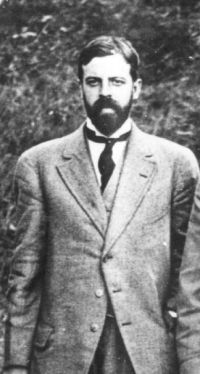
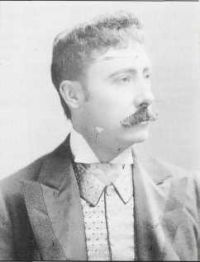
Portrait of Francis Grierson Francis Grierson,  Psycho-Phone Messages

“ In France and Italy many business men are able to discuss art, literature and music on the same level with the masters. The Latin races and the Celtic races possess a culture that can be traced back for two or three thousand years, but Anglo-Saxon culture only to the time of the Saxon invasion. The Anglo-Saxons were the mushrooms of our civilization. They were a stolid business people who lacked creative genius.
The outstanding intellect of England today is Celtic.
”
Source: Gutenberg

Get perspective with Kwize: daily news enlightened by great literature