Benedictine monastery

Definition and stakes

The New International Encyclopædia…

“ A Benedictine monastery, at one time among the richest and most famous of Italy, situated not far from Rome. It was founded in the middle of the sixth century by Saint Laurence, Bishop of Spoleto, and soon reached a position of importance, receiving endowments from the Lombard and Carolingian rulers and from the popes. The monks were driven out by the Saracen invaders in the closing years of the ninth century, and it lay desolate for fifty years. ”
Source: Wikisource

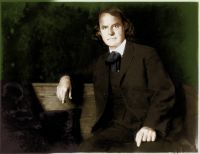
Portrait of Samuel Rawson Gardiner Samuel Rawson Gardiner,  A Student's History of England…

“ Men and women, therefore, who wished to keep themselves pure, withdrew to hermitages or monasteries, where they might be removed from temptation, and might fit themselves for heaven by prayer and fasting. In the fifth century Benedict of Nursia had organised in Italy a system of life for the monastery which he governed, and the Benedictine rule, as it was called, was soon accepted in almost all the monasteries of Western Europe. ”
Source: Gutenberg

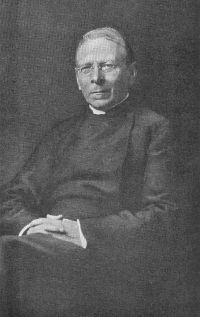
Henry Dwight Sedgwick,  A Short History of Italy (476-1900…

“ He founded a monastery at Subiaco, a little village near Rome, and afterwards the famous abbey on Monte Cassino, a high hill midway between Rome and Naples, which became the mother of all Benedictine monasteries and shone like a light in the Dark Ages. Benedict's ideal was to help men shut themselves off from the temptations of life and realize, as far as they could, the prayer "Thy kingdom come ... on earth as it is in Heaven." ”
Source: Gutenberg

Get perspective with Kwize: daily news enlightened by great literature