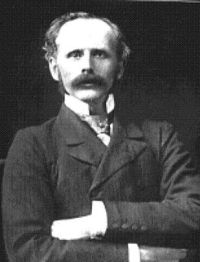
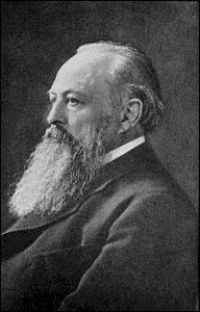
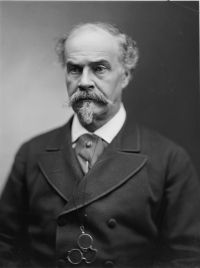
The term "Boche," historically a derogatory label for Germans, appears in literature as a thematic marker of conflict and cultural tension. Authors like Charles Brockden Brown and Eliza Ruhama Scidmore examine this theme through vivid portrayals of natural and constructed landscapes—Brown’s cylindrical hills and Scidmore’s meticulously crafted stone basins reflecting both human innovation and the rigid frameworks of wartime understanding.
Others, such as Joseph Smith and Gerald Stanley Lee, focus on materiality, highlighting the transformative potential of wood and stone, while Edwin Abbott Abbott’s Flatland metaphorically questions the boundaries of perception. These diverse approaches collectively illustrate how "Boche" represents not only an adversary but also the complex relationship between physical form and ideological divisions.
 Eliza Ruhamah Scidmore,
Jinrikisha Days in Japan
(1891)
Eliza Ruhamah Scidmore,
Jinrikisha Days in Japan
(1891)