Chinese architecture

Definition and stakes

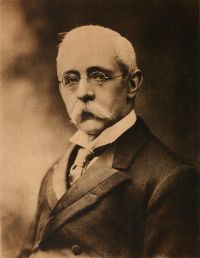
Portrait of Louise Jordan Miln Louise Jordan Miln,  When We Were Strolling Players in the East

“ The Chinese have the advantage of the more vivid, picture-like background.
Nature is brilliant and aggressive in China. Chinese architecture is fantastic and often crude. But both are softened. The bold, bright scenery is made lovely and almost gentle by endless trails of dainty vines, great clumps and long lines of feathery bamboo, fields of wild white roses, and ragged masses of chrysanthemums. The grotesque Mongolian architecture is toned to beauty and fitness by its antiquity, and by its quaint tent-like outlines.
There is no city in the world more beautifully situated than Hong-Kong.
”

Source: Gutenberg

Lady Florence Mary Cecil,  Changing China

“ The truth is that it is neither a question of cost nor of efficiency which makes the Chinese architecture despised; it is part of the great movement which expresses itself in stone and brick—a movement which is tending to bring the Eastern countries into misery—a movement which is planting in the East all that is commonplace, all that is hideous in the West, and that is destroying all that is beautiful in the East both in thought and colour and form. ”
Source: Gutenberg

Portrait of Herbert C. White Herbert C. White,  Peking the Beautiful (1927)

“ Beyond these, and fronting the palace gateway, are two huge bronze lions. Towering above the quardians of the gate, and surmounting a broad marble terrace, rise the lacquered pillars and stately walls of the T'ai Ho Mên, the Gate of Supreme Harmony. And beyond all these, lifting its massive double roof of "golden" tiles above the surrounding palaces and temples, can be seen the greatest piece of Chinese architecture in all the land—the glorious T'ai Ho Tien, or Throne Hall of Supreme Harmony. ”
Source: Wikisource

Get perspective with Kwize: daily news enlightened by great literature