Czechs and Slovaks

Definition and stakes

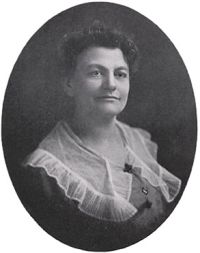
Portrait of Šárka B. Hrbková Šárka B. Hrbková,  Czechoslovak Stories (1920)

“ The romantic period of the renaissance affected not only Czech and Slovak literature, but it left its imprint on all the arts—on philosophy, religion, the sciences, and political, social and moral life. The protest of rich imagination, of unfettered freedom in feeling and expression against the cold reasoning and polished conventionality of the eighteenth century found its outlet among the Czechs and Slovaks in an enthusiastic exaltation of their nation and language—two concepts never separated in the mind of the true patriot of that land. ”
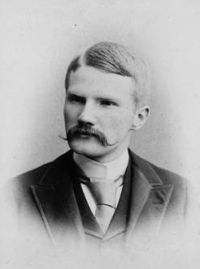
Source: Wikisource

Portrait of Šárka B. Hrbková Šárka B. Hrbková,  Czechoslovak Stories (1920)

“ The Czechs had chafed under Austrian misrule since the fateful day when, in a period of Bohemia’s weakness, the Hapsburgs gained control of the little country which, geographically, forms the very heart of Europe and in many another way has been the organ which sent the blood pulsating freely and vigorously through the body of the Old World. The Slovaks have suffered even greater persecutions with no chance of redress from the Magyar (Hungarian) population which forms the southeastern portion of what was once the Dual Empire. ”
Source: Wikisource

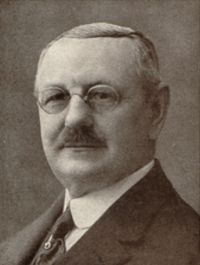
Portrait of Charles Homer Haskins Charles Homer Haskins,  Some Problems of the Peace Conference (1920)

“ The degree of relationship between the Czechs and Slovaks is one not easy to define. According to the one view, which is popular especially among the Czechs, the two peoples represent an original ethnic and linguistic unit—a single race, which through historic accidents came to be separated for centuries and to be considerably differentiated in speech, customs, and character, although always preserving such close linguistic and moral ties that they deserve to be considered as one nation. ”
Source: Gutenberg

Get perspective with Kwize: daily news enlightened by great literature