Gothic fiction

Definition and stakes

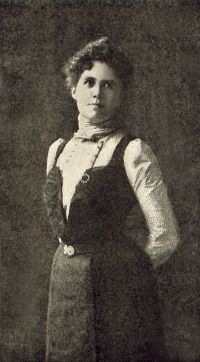
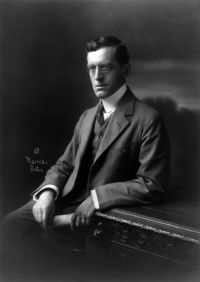
Clara Helen Whitmore,  Woman's Work in English Fiction…

“ Rugged mountains with their concealed valleys, whispering forests which the eye cannot penetrate, Gothic ruins with vaulted chambers and subterranean passages, are the scenes of her stories; while event after event of her complicated plot happens either just as the mists of evening are obscuring the sun, or while the moonlight is throwing fantastic shadows over the landscape. It is an atmosphere of mystery in which one feels the weird presence of the supernatural. ”
Source: Gutenberg

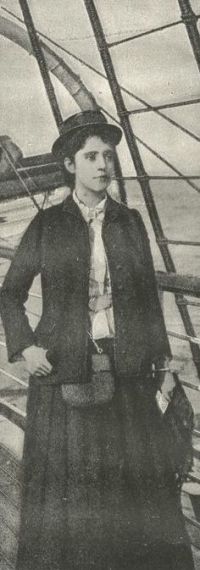
Dorothy Scarborough,  The Supernatural in Modern English Fiction

“ The Gothic romance made much use of portents of the supernatural, which later fiction does as well, but differently and with greater skill. The modern stories for the most part abandon the conventional portents, the dear old clock forever striking twelve or one—there was no Gothic castle so impoverished as to lack such ghostly horologue!—the abbey bell that tolls at touch of spirit hands or wizard winds, the statuesque nose-bleed, the fire that burns blue at approach of a specter, and so forth. ”
Source: Gutenberg

Dorothy Scarborough,  The Supernatural in Modern English Fiction

“ The Gothic novel is more closely related to the drama than to the epic or to such poetry as The Faerie Queene or Comus. On the other hand, the later novels and stories, while less influenced by the dramatic tradition, show more of the epic trace than does the Gothic romance. The epic tours through heaven and hell, the lavish use of angels, devils, and even of Deity, the introduction of mythological characters and figures which are not seen in Gothic fiction, appear to a considerable extent in the stories of recent times. In Gothicism we find that the Deity disappears though the devil remains. ”
Source: Gutenberg

Get perspective with Kwize: daily news enlightened by great literature