Government House, situated in Hong Kong, serves as the official residence of the Chief Executive. This building is rich in history and architectural development. Originally constructed in 1855 as a Colonial Renaissance-style structure, it later integrated Japanese neoclassical features during World War II, highlighting its role as a symbol of changing political authority.
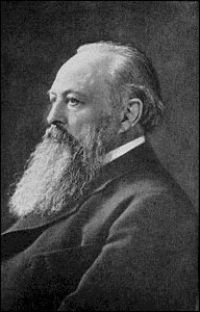
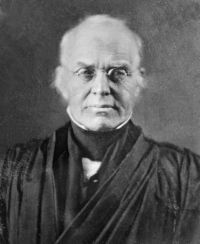
Thinkers such as John Stuart Mill and Josiah Quincy examined wider themes of governance and representation, with Mill stressing the balance between public opinion and leadership based on merit, while Quincy criticized the impact of slavery on legislative authority. These debates echo Government House’s dual role as a residence and a testament to Hong Kong’s administrative past. Its mixed design and historical layers emphasize the relationship between colonial legacy and contemporary governance, demonstrating how physical spaces reflect shifting political ideas.