Henry IV of Navarre

Definition and stakes

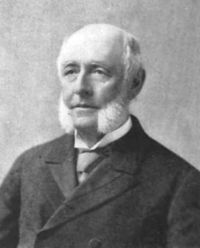
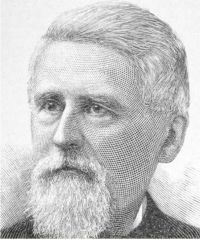
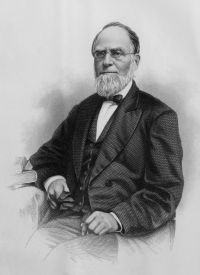
Portrait of John S. C. Abbott John S. C. Abbott Henry IV, Makers of History

Henry III., with no energy of character, despised by his subjects, and without either money or armies, seemed to be now entirely at the mercy of the confederate princes. Henry of Navarre and the Duke of Alençon sent an embassador to the French court to propose terms to Henry III. The King of Navarre required, among other conditions, that France should unite with him in recovering from Spain that portion of the territory of Navarre which had been wrested from his ancestors by Ferdinand and Isabella.
Source: Gutenberg

Portrait of John S. C. Abbott John S. C. Abbott Henry IV, Makers of History

Perhaps the history of the world retains not another instance in which a mother could so far forget the yearnings of nature as to endeavor, studiously and perseveringly, to deprave the morals, and by vice to enfeeble the constitution of her son, that she might retain the power which belonged to him. This proud and dissolute woman looked with great solicitude upon the enterprising and energetic spirits of the young Prince of Navarre. There were many providential indications that ere long Henry would be a prominent candidate for the throne of France.
Source: Gutenberg

Portrait of Carlton J. H. Hayes Carlton J. H. Hayes A Political and Social History of Modern Europe V.1

Henry of Navarre, the first of the Bourbon family upon the throne of France, took the title of Henry IV (1589-1610) . [Footnote: It is a curious fact that Henry of Navarre, like Henry of Guise and Henry of France, died by the hand of an assassin.] For four years after his accession, Henry IV was obliged to continue the civil war, but his abjuration of Protestantism and his acceptance of Catholicism in 1593 removed the chief source of opposition to him within France, and the rebellion speedily collapsed.
Source: Gutenberg

Get perspective with Kwize: daily news enlightened by great literature