Heracleitus

Definition and stakes

W. T. Stace,  A critical history of Greek philosophy

“ Side by side with this metaphysic, Heracleitus lays down a theory of physics. All things are composed of fire. "This world," he says, "neither one of the gods nor of the human race has made; but it is, it was, and ever shall be, an eternally living fire." All comes from fire, and to fire all returns. "All things are exchanged for fire and fire for all, as wares for gold and gold for wares." Thus there is only one ultimate kind of matter, fire, and all other forms of matter are merely modifications and variations of fire. It is clear for what reason Heracleitus enunciated this principle. ”
Source: Gutenberg

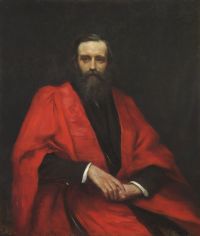
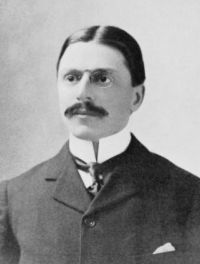
Portrait of Edwin Abbott Abbott Edwin Abbott Abbott,  Onesimus: Memoirs of a Disciple of St…

“ Then I accosted the man in derision, saying that from his aspect I discerned him to be Heraclitus the crying philosopher, and I asked193 him whether he also, like Heraclitus, taught that “men are mortal gods, and gods immortal men.” To this he replied, as if willing to enter into the jest, that he was a teacher of joy and not of sorrow, but that indeed he taught that God and men were at one. After this, mocking at his baldness, I asked him whether he were Pythagoras risen from the dead, or whether he could teach us to be something more than men and to be in harmony with the Universe. ”
Source: Gutenberg

Get perspective with Kwize: daily news enlightened by great literature