The Kingdom of France, a historiographical term referring to medieval and early modern French political entities (987–1792; 1815–1848), arose from the Carolingian Empire and was governed by the Capetian dynasty, later followed by the Valois and Bourbons. Initially a decentralized feudal monarchy, it gradually transformed into a centralized state, extending its reach through colonial endeavors and European wars.
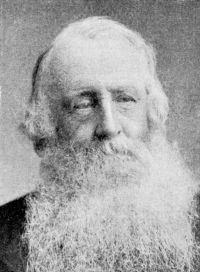
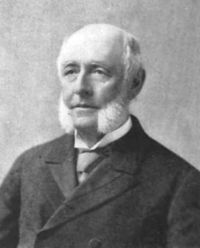
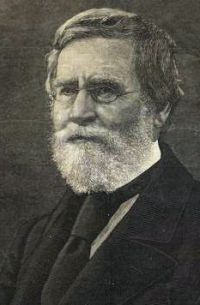
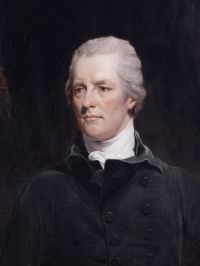
Scholars such as David Hume emphasized its political adaptability, while Victor Hugo imagined it as an organized realm under monarchical authority. Freeman and Abbott highlighted its territorial development and divided beginnings, illustrating its intricate legacy as both a European power and a catalyst for revolutionary transformation.
 David Hume,
The History of England in Three Volumes…
David Hume,
The History of England in Three Volumes…