The Middle Ages, spanning from the 5th to the late 15th century, represent a crucial period in European history, characterized by the shift from classical antiquity to modernity. This era, divided into Early, High, and Late stages, saw the breakup of the Roman Empire, the development of feudal systems, the expansion of Christianity, and the gradual formation of centralized nation-states. Scholars such as A. Mary F.
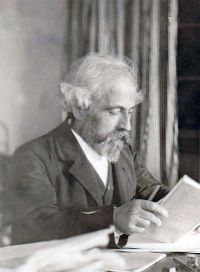
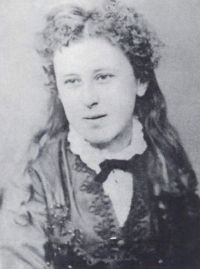
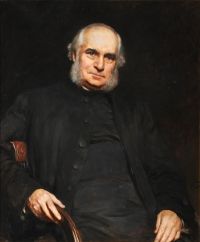
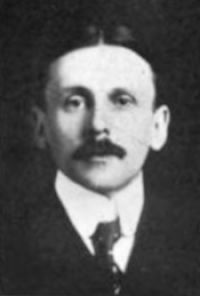
Robinson cast doubt on whether the Middle Ages truly came to an end, underscoring their enduring impact, while Paul Sabatier emphasized the period’s renewed significance in historical studies. Vernon Lee contrasted its diversity with the uniformity of Antiquity, and Joseph Strayer challenged the mistaken view of the Middle Ages as a stagnant "pit" between classical and Renaissance accomplishments. These viewpoints together highlight the era’s intricacy, linking tradition with change.
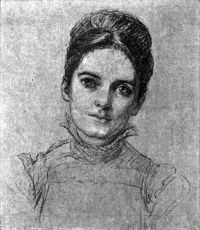 A. Mary F. Robinson,
The End of the Middle Ages: Essays and Questions in History
A. Mary F. Robinson,
The End of the Middle Ages: Essays and Questions in History