Polynesian languages

Definition and stakes

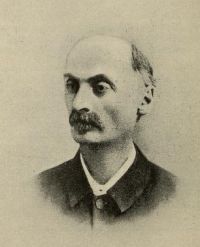
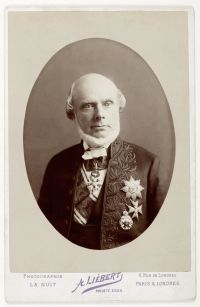
Portrait of Edward Sapir Edward Sapir,  Language: An Introduction to the Study of Speech

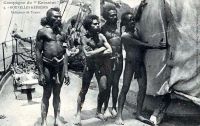
“ Many other, and more striking, examples of the lack of correspondence between race and language could be given if space permitted. One instance will do for many. The Malayo-Polynesian languages form a well-defined group that takes in the southern end of the Malay Peninsula and the tremendous island world to the south and east (except Australia and the greater part of New Guinea) . In this vast region we find represented no less than three distinct races—the Negro-like Papuans of New Guinea and Melanesia, the Malay race of Indonesia, and the Polynesians of the outer islands. ”
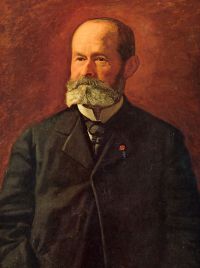
Source: Gutenberg

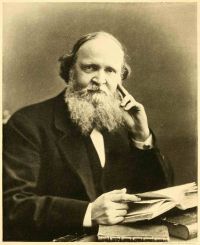
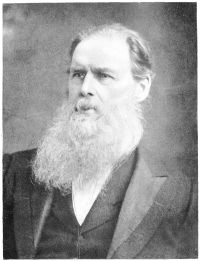
Portrait of Daniel G. Brinton Daniel G. Brinton,  Races and Peoples: Lectures on the Science of Ethnography

“ They are uncommonly tall, symmetrical and handsome, a stature over six feet not being unusual among them. Their features are regular, their color a light brown. Their hair is black, smooth and glossy, sometimes with a curl or crisp in it, which betrays a touch of Papuan blood. All the Polynesian languages have some affinities to the Malayan, and the Polynesian traditions unanimously refer to the west for the home of their ancestors. ”
Source: Gutenberg

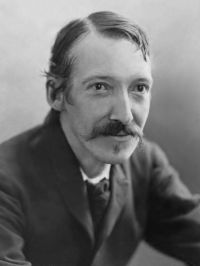
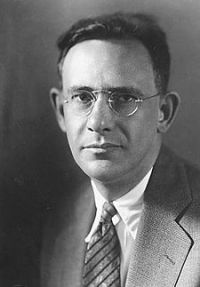
Portrait of Frederick O'Brien Frederick O'Brien,  Atolls of the Sun

“ A chief difficulty of the makers of the written Polynesian languages was the adjectives. Primitive peoples have not the wealth of these that civilized nations possess, and fine shadings here are often expressed by intonation, grimace, or gesture.
There is no available Tahitian-English lexicon. The London Missionary Society published one before the French seized Tahiti in the forties. It is out of print, and as obsolete as to present-day Tahitian as Dr. Johnson’s once-famous tome is as to English.
”
Source: Gutenberg

Get perspective with Kwize: daily news enlightened by great literature