Prosper, often associated with success, wealth, or flourishing, appears in literature and philosophy as a complex theme that reflects both individual accomplishments and societal structures. Authors such as Maurice Hewlett examine it through characters navigating social hierarchies, while John Stuart Mill probes its ethical implications, questioning whether affluence justifies the exclusion of others.
Samuel Smiles and Martin Farquhar Tupper view it as a test of character, contrasting hardship with abundance, and Lajos Kossuth juxtaposes personal ambition with collective national advancement. From Fanny Burney’s critique of prosperity’s forgetfulness to William Rheem Lighton’s note on its visible indicators, the theme demonstrates how thriving is interwoven with morality, duty, and shared identity.
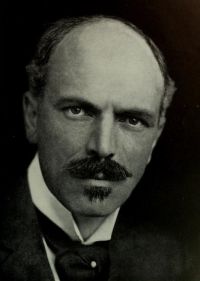 Maurice Hewlett,
The Forest Lovers
Maurice Hewlett,
The Forest Lovers