Roman poet

Definition and stakes

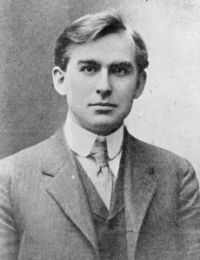
John Richard Greene,  Stray Studies from England and Italy

“ In the face of this destroyer the Roman poet sets a founder of cities and peoples, self-forgetful, patient, loyal to a divine aim, calm with a Roman calmness, yet touched as no Roman had hitherto been touched with pity and tenderness for the sorrows of men. The one poem is a song of passion, a mighty triumph of the individual man, a poem of human energy in defiant isolation. The other is an epic of social order, of a divine law manifesting itself in the fortunes of the world, of the bonds which link man to his fellow men, a song of duty, of self-sacrifice, of reverence, of "piety." ”
Source: Gutenberg

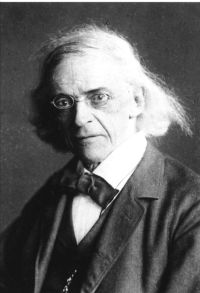
W. Y. Sellar,  The Roman Poets of the Republic…

“ No Roman poet shows more rapidity of conception, or greater variety of illustration: and words and phrases are never wanting to body forth and convey with immediate force and freshness the intuitive discernment of his common sense, the quick play of his wit, the riotous exaggerations of his fancy, his vivid observation of facts and of the outward peculiarities of men, his inexhaustible resources of genial vituperation and execration, or bantering endearment. ”
Source: Gutenberg

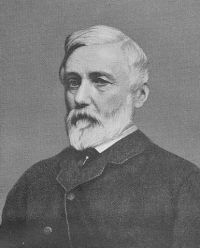
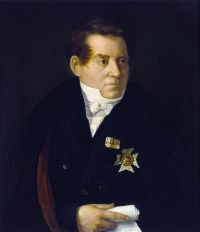
Portrait of George Henry Calvert George Henry Calvert,  Essays Æsthetical

“ But the task of the poet is more than this. To our imagination, that is, to the abstracting intellect roused by sympathy to a semi-creative state, he must present the haughty Roman so as to fill us with an image of him that shall in itself embody that momentous hour in the being of the young republic. He must dilate us to the dimensions of the man and the moment; he must so enlarge and warm our feeling that it shall take in, and delight in, the grandeur of the time and the actors. The life of Rome, of Rome yet to be so mighty, is threatened by one of her own sons. ”
Source: Gutenberg

Get perspective with Kwize: daily news enlightened by great literature