Tao Te Ching

Definition and stakes

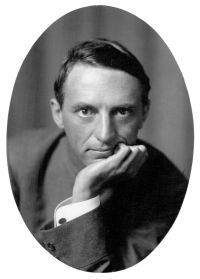
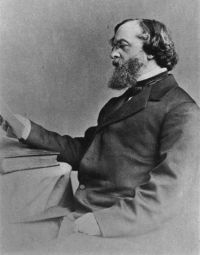
Portrait of Herbert Allen Giles Herbert Allen Giles,  A History of Chinese Literature

“ They have no concern with the ordinary affairs of life; they do not distinguish heaven, earth, the sun, and the moon; they toil not, neither do they spin; but simply lie down and enjoy themselves. They [227] have no ships and no carriages; their wanderings, however, are the boundless flights of the imagination.”
His younger brother, Su Chê (1039-1112) , poet and official, is chiefly known for his devotion to Taoism. He published an edition, with commentary, of the Tao-Tê-Ching.
”
Source: Gutenberg

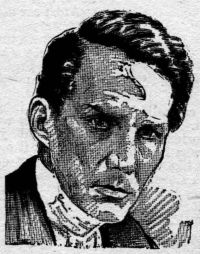
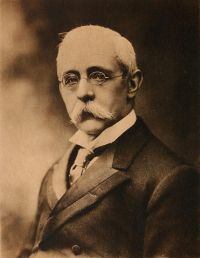
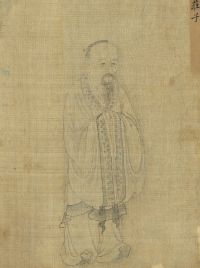
Portrait of Zhuang Zi Zhuang Zi,  Chuang Tzŭ (1889)

“ It is not according to the spirit of Tao that a man should shirk his mortal responsibilities. On the contrary, Tao teaches him how to meet them. By means of inaction he will be able to adapt himself to the natural conditions of existence. And so it is that he who respects the State as his own body is fit to support it, and he who loves the State as his own body, is fit to govern it.
This last sentence is attributed by Huai Nan Tzŭ to Lao Tzŭ, and has been incorporated in the Tao-Tê-Ching, ch.
”
Source: Wikisource

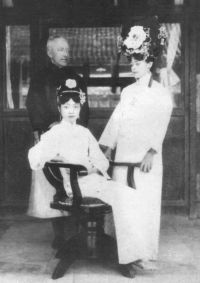
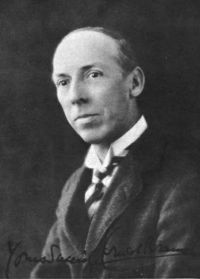
Portrait of Sir Reginald Fleming Johnston Sir Reginald Fleming Johnston,  Lion and Dragon in Northern China

“ Popular Taoism probably existed, in some form or other, long before the time of the compiler of the Tao Tê Ching. The astrology and alchemy and demonology that give the former many of its characteristic features may have existed in China from a very remote age. The extreme antiquity of superstitions of this kind in other parts of Asia is an undeniable fact: the records of the early civilisation of Chaldæa give us statements concerning the sorcerers and astrologers of that country that might be applied almost without alteration to the charm-mongerers and adepts of Chinese [356] Taoism. ”
Source: Gutenberg

Get perspective with Kwize: daily news enlightened by great literature