Werther

Definition and stakes

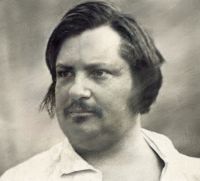
Portrait of Honoré de Balzac Honoré de Balzac,  The Works of Honoré de Balzac: About Catherine de' Medici…

“ Lambert's woes had taught me many a chant of sorrow far more appealing than the finest passages in "Werther." And, indeed, there is no possible comparison between the pangs of a passion condemned, whether rightly or wrongly, by every law, and the grief of a poor child pining for the glorious sunshine, the dews of the valley, and liberty. Werther is the slave of desire; Louis Lambert was an enslaved soul. Given equal talent, the more pathetic sorrow, founded on desires which, being purer, are the more genuine, must transcend the wail even of genius. ”

Source: Gutenberg

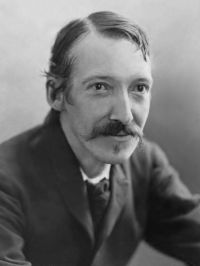
Portrait of Georg Brandes Georg Brandes,  Main Currents in Nineteenth Century Literature - 1…

“ In the first half there is in Werther more of Goethe himself, who certainly did not commit suicide; in the second, more of that young Jerusalem whose unhappy death inspired the book. But such as he is, Werther is a type. He is not only the child of nature in his passion, he is nature in one of its highest developments, genius. Losing himself in nature, he feels its whole infinite life within himself, and feels himself "deified" thereby. Turn, for instance, to that wonderful entry in his journal written on August 18, 1771. It is as powerful and full of genius as a Faust monologue. ”
Source: Gutenberg

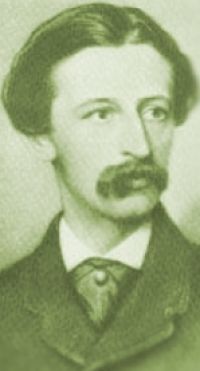
Portrait of Johann Wolfgang von Goethe Johann Wolfgang von Goethe,  The Sorrows of Young Werther (1774)

“ We shall live again, Werther!" she continued, with a firm but feeling voice; "but shall we know one another again what do you think? what do you say?"
"Charlotte," I said, as I took her hand in mine, and my eyes filled with tears, "we shall see each other again—here and hereafter we shall meet again." I could say no more. Why, Wilhelm, should she put this question to me, just at the moment when the fear of our cruel separation filled my heart?
"And oh! do those departed ones know how we are employed here? do they know when we are well and happy?
”
Source: Gutenberg

Get perspective with Kwize: daily news enlightened by great literature