Analogical reasoning

Definition and stakes

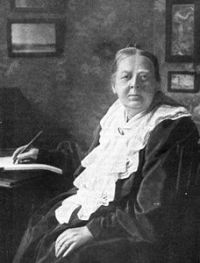
F. V. N. Painter,  Elementary Guide to Literary Criticism

“ Analogical reasoning has a prominent place in our mental operations. Analogy lies at the basis of simile, metaphor, and personification, which are often used in argumentation. We frequently use analogical processes in the practical affairs of life, inferring, for example, that there will be rain to-day because the temperature, appearance of the clouds, and the condition of the atmosphere resemble those of a rainy day last week. ”
Source: Gutenberg

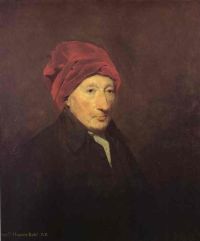
Portrait of Thomas Reid Thomas Reid,  An Inquiry into the Human Mind…

“ When we form our notions of the operations of the mind by analogy, this way of conceiving them seems to be very natural, and offers itself to our thoughts: for as every thing which is felt must make some impression upon the body, we are apt to think, that every thing which is understood must make some impression upon the mind.
From such analogical reasoning, this opinion of the existence of ideas or images of things in the mind, seems to have taken its rise, and to have been so universally received among philosophers.
”
Source: Wikisource

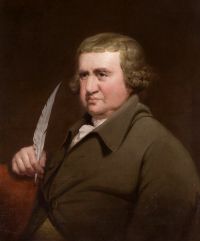
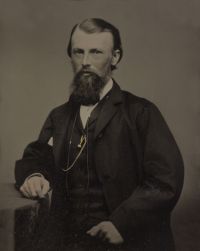
Portrait of Erasmus Darwin Erasmus Darwin,  Zoonomia, or, the Laws of Organic Life… (1796)

“ Hence though they are liable to surprise, when their passing trains of ideas are dissevered by violent stimuli; yet are they not affected with wonder or astonishment at the novelty of objects; as they possess but in a very inferior degree, that voluntary power of comparing the present ideas with those previously acquired, which distinguishes mankind; and is termed analogical reasoning, when deliberatively exerted; and intuitive analogy, when used without our attention to it, and which always preserves our hourly trains of ideas consistent with truth and nature. ”
Source: Wikisource

Get perspective with Kwize: daily news enlightened by great literature