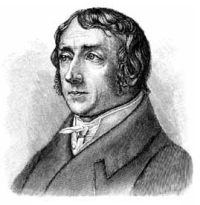
Ancient history, stretching from the beginning of written records to the end of classical antiquity, includes the formative periods of human civilization, characterized by the development of writing, urban growth, and the rise of early empires. This era, approximately 3000 BCE to 500 CE, witnessed the formation of complex societies across the globe, from Mesopotamian city-states to Roman and Chinese dynasties. Authors such as Thomas De Quincey observed its changing importance, pointing out how ancient history has evolved from a simple record of dates to a dynamic area of study.
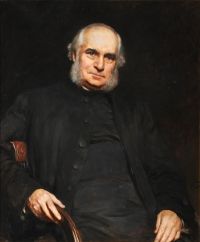
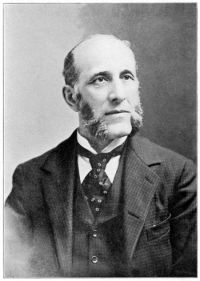
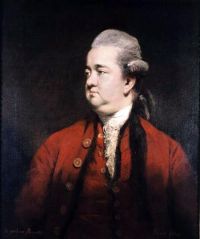
Benjamin Moore Norman highlighted its mysterious appeal, while William Stubbs compared its scattered accounts with the thorough records of medieval Europe. Charles Seignobos outlined its boundaries, describing it as a link between early cultures and modern times. These viewpoints together emphasize ancient history as a foundational period, examined through texts, archaeology, and comparative study, whose influences continue to shape today's understanding of human progress.
 Thomas De Quincey,
Memorials and Other Papers — Complete
Thomas De Quincey,
Memorials and Other Papers — Complete