Ancient language

Definition and stakes

1911 Encyclopædia Britannica (1911)

“ As the literary language of the ancient Roman civilization died out, seemingly extinguished by the barbarism of the middle ages, all the forms of the old classical language being confounded in the most hopeless chaos, suddenly new, vigorous and beautiful tongues sprang forth, ruled by the most regular laws, related to, yet different from, Latin. ”
Source: Wikisource

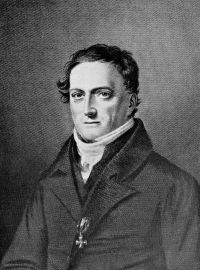
Portrait of Karl Otfried Müller Karl Otfried Müller,  History of the Literature of Ancient Greece (1847)

“ Nor can any modern European, who forms in his mind a lively image of the classical languages in their ancient grammatical luxuriance, and compares them with his mother tongue, conceal from himself that in the ancient languages the words, with their inflections, clothed as it were with muscles and sinews, come forward like living bodies, full of expression and character ”
Source: Wikisource

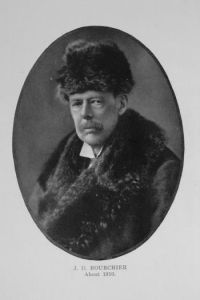
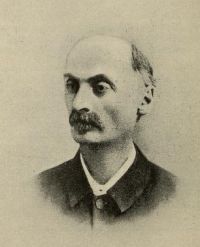
Karl Krumbacher, Richard Claverhouse Jebb and James David Bourchier,  1911 Encyclopædia Britannica, Volume 12… (1911)

“ The vernacular or oral language is never taught, but is universally spoken. It has been evolved from the ancient language by a natural and regular process, similar to that which has produced the Romance languages from the Latin, or the Russian, Bulgarian and Servian from the Reforms of Coraës.old Slavonic. It has developed on parallel lines with the modern European languages, and in obedience to the same laws; like them, it might have grown into a literary language had any great writers arisen in the middle ages to do for it what Dante and his successors of the trecento did for Italian. ”
Source: Wikisource

Get perspective with Kwize: daily news enlightened by great literature