Apposition

Definition and stakes

R. G. Latham,  A Handbook of the English Language

“ Apposition.—In him-self and them-selves, when accusative, the construction is that of a substantive in apposition with a pronoun. Himself = him, the individual.
3. Composition.—It is only, however, when himself and themselves, are in the accusative case, that the construction is appositional. When they are used as nominatives, it must be explained on another principle. In phrases like
He himself was present
They themselves were present,
there is neither apposition nor government
”
Source: Gutenberg

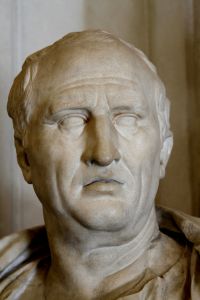
Portrait of Marcus Tullius Cicero Marcus Tullius Cicero,  On Invention — Book 2

“ For praise, or blame, or the statement of an opinion, or accusation, or denial, ought all to effect different ends. In judicial investigations the object of inquiry is, what is just; in demonstrative discussion the question is, what is honourable; in deliberations, in our opinion, what we inquire is, what is honourable and at the same time expedient. For the other writers on this subject have thought it right to limit the consideration of expediency to speeches directed to persuasion or dissuasion. ”
Source: Wikisource

Portrait of Lady Damaris Masham Lady Damaris Masham,  Occasional Thoughts in Reference to a Vertuous or Christian life

“ By Reason being here understood that Faculty in us which discovers, by the intervention of intermediate Ideas, what Connection Those in the Proposition have one with another: Whether certain; probable; or none at all; according whereunto, we ought to regulate our Assent. If we do not so, we degrade our selves from being Rational Creatures; and deprive our selves of the only Guide God has given us for our Conduct in our Actions and Opinions. ”
Source: Gutenberg

Get perspective with Kwize: daily news enlightened by great literature