Bad air

Definition and stakes

Portrait of John Harvey Kellogg John Harvey Kellogg,  First Book in Physiology and Hygiene

“ Effects of Bad Air.—Bad air is very harmful to the heart and to the blood also. We should always remember that the blood of the body while passing through the lungs is exposed to the air which we breathe. If the air is impure, the blood will be poisoned. In churches and in other places where the air becomes foul, people often faint from the effects of the impure air upon the heart. It is important that the air of the rooms in which we live and sleep should be kept very pure by good ventilation. ”
Source: Gutenberg

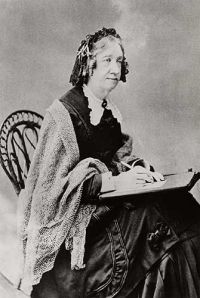
Mary A. Boland,  A Handbook of Invalid Cooking

“ Even those persons who know something of the nature of air, make but little effort to provide themselves with a constantly pure supply.
Effects of Breathing Bad Air. If the effects of breathing bad air were immediate, there would then be an immediate remedy for the present total lack of any systematic means of ventilation in most houses. But the effects of breathing bad air are, like those of some slow and insidious poison, not noticeable at once, and often manifested under the name of some disease which gives no clue to the true cause.
”
Source: Gutenberg

Worthington Hooker,  The Child's Book of Nature

“ It is the bad air that I told you about in Chapter XX., Part First, that leaves take from the lungs of animals, giving them back good air in return. You see, then, how important it is that this gas shall get from us to the leaves, and that the good gas from the leaves shall come freely into our lungs. But this can not be done unless there is a free circulation of the air. When people are shut up in a close room, a great deal of this bad gas is made in a little while, and unless it is let out of the room it does harm. It does not often kill any one at once, but it injures the health ”
Source: Gutenberg

Get perspective with Kwize: daily news enlightened by great literature