Bond (legal)

Definition and stakes

Joseph P. Bradley,  Lincoln v. Iron Company — Opinion of the Court

“ The township had authority by law to issue its bonds by way of donation to a railroad. It did issue its bonds. They got into circulation as commercial securities, and were purchased by the plaintiff. All the plaintiff had to do in case of non-payment was simply to sue on the bonds. If there was any defence to them by reason of want of performance of any of the requisites necessary to give them validity, or for any other cause, it was for the defendant to show it. A bond, especially a negotiable bond, is a prima facie obligation of the obligor, if he has capacity to make it ”
Source: Wikisource

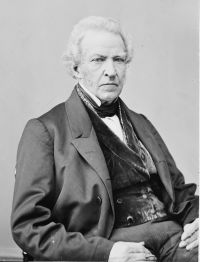
Portrait of James Moore Wayne James Moore Wayne,  Morris v. Nixon — Opinion of the Court

“ I will provide the money of which you stand in need, will take a bond from you for it, which I am not to enforce against you, unless you should fall into misfortune, and then only, should I see fit to do so, for the benefit of yourself or your family, if you will give me an absolute conveyance of the property.' The conveyance is given, the bond is taken, and now it is said the transaction was intended to be an absolute sale, and not a security for a loan. We do not think that the connexion between the bond and the deed can be dismembered. ”
Source: Wikisource

Get perspective with Kwize: daily news enlightened by great literature